


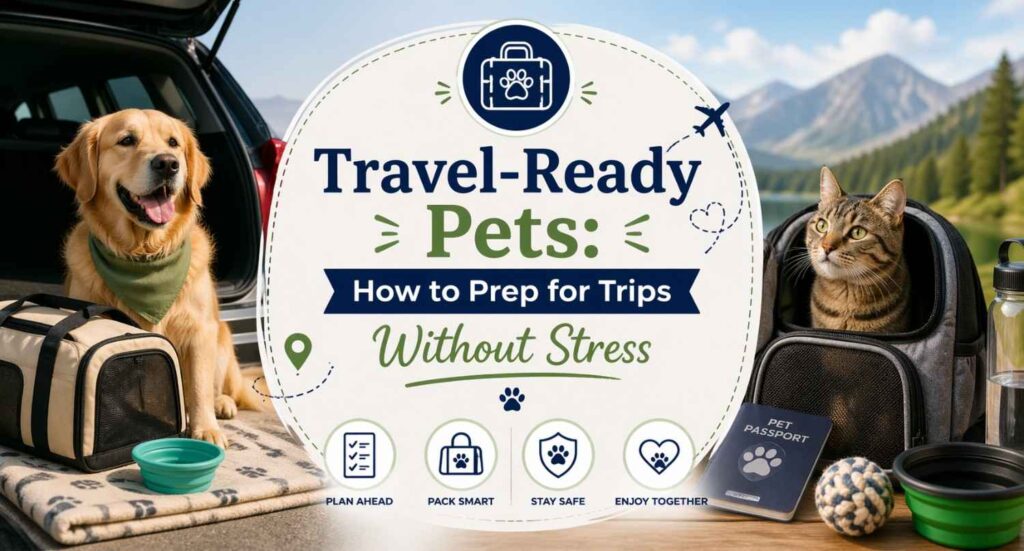
Travel can be exciting, but for many pets, a change in routine is where stress starts. New smells, unfamiliar sounds, longer stretches in the car, and different sleeping spaces can add up quickly, even for confident dogs and cats. The best way to keep travel smooth is to treat preparation like a gentle ramp, not a last-minute checklist. When you plan in stages, your pet has time to adjust, and you have time to notice what still needs practice.
A travel-ready pet is not one who never gets nervous. It is one who has predictable cues, familiar gear, and a caregiver who can respond calmly. With a little lead time, you can reduce common pain points like car anxiety, tummy upset, and “where am I supposed to sleep?” restlessness, all while making the trip easier on you, too.
Start With a Trial Run, Not A Big Leap
Before you commit to a long drive or a busy airport day, give your pet small, low-stakes practice sessions. For dogs, that can look like a few minutes in the parked car with treats, then a short loop around the neighborhood, then a longer ride that ends somewhere pleasant. For cats, it might be carrier time with the door open, then a brief close, then a trip around the block. The goal is to teach your pet that travel cues predict safety and good things, not only vet visits or scary surprises.
Pay attention to what your pet finds hardest. Some pets dislike the motion of the car, while others dislike being confined. If your dog pants, drools, or whines, build more breaks into the plan and keep early sessions short. If your cat vocalizes, try covering part of the carrier with a light blanket so they feel sheltered. These early observations help you adjust before you are on a tight schedule.
Handle Grooming, Hygiene, And Comfort Before You Pack
A clean coat and trimmed nails are not just cosmetic. They can make travel more comfortable, especially when pets will be spending time in a car seat, crate, or unfamiliar home. Plan grooming far enough ahead that your pet can settle afterward, particularly if they are sensitive to new sensations like freshly trimmed paws or a new haircut. If you use a professional salon, look for a calm approach with one-on-one attention, safety-first handling, and clean, well-maintained spaces, since stress can carry over into travel day.
It also helps to confirm what a grooming appointment includes so you are not scrambling later. Many full-service packages commonly cover a bath with shampoo and conditioner, blow drying, brushing and styling, nail trimming and grinding, gentle ear cleansing, and a sanitary trim, with optional add-ons like teeth brushing or de-matting. As a practical example, if you are booking dog grooming in Johns Creek, GA or your nearest city, ask whether the schedule is designed to reduce waiting and keep dogs separate, since “dog in, dog out” style appointments can be calmer for many pets.
Build A “Familiar Bubble” With Gear and Routines
Pets settle faster when they can recognize their own “stuff.” Bring one or two items that smell like home, such as a favorite blanket, a bed cover, or a worn T-shirt from you. Keep the sleep setup consistent across locations if possible: same bed, same crate pad, same white noise app, or the same evening routine. Familiarity matters more than luxury.
For safety, choose travel gear that supports both restraint and comfort. In the car, that might mean a crash-tested harness or a secured crate. In lodging, it could mean a portable baby gate or a lightweight pen to create a calm corner. Build short “settle” sessions at home using the same gear so your pet learns that the travel bed or crate is a relaxing place, not a punishment.
Prep Paperwork, Health Needs, And A Simple Emergency Plan
Administrative details are easy to overlook until you are on the road. Confirm your pet’s ID tag is readable and your microchip information is current. If you are traveling across state lines or flying, check requirements early so you have time to schedule any needed appointments.
If your pet is due for vaccines or preventive care, handle it well before departure so they are not recovering on travel day. Some grooming and pet care providers also encourage owners to arrive with up-to-date vaccinations and to do a quick all-over body check at home for lumps, bumps, or tender areas that might need gentle handling, which is a good habit before any busy travel period. Pack a small pet first-aid kit, plus any daily medications, a few days of extra doses, and notes about allergies or past reactions. Even a basic plan, like knowing the nearest emergency vet to your destination, can lower your stress considerably.
Make Travel Day Predictable with Timing, Breaks, And Calm Cues
On the day of travel, predictability is your best tool. Keep breakfast lighter if your pet is prone to motion sickness, and aim for a bit of physical activity before you leave so they are more ready to rest. Bring water and a familiar bowl, and plan regular breaks for dogs to move, sniff, and reset. For anxious pets, consider soothing routines you already use at home, such as a short grooming brush session, a calm “place” cue, or a food puzzle that signals downtime.
Most importantly, keep your own energy steady. Pets read human tension quickly. If your tone is calm and your steps are consistent, your pet is more likely to follow your lead. If something goes off-plan, like unexpected traffic or a delayed check-in, focus on small wins: offer water, give a chew, and create a quiet corner. Travel goes better when you treat it as a series of manageable moments rather than one big hurdle.
Conclusion
Travel readiness is built long before you load the car. When you practice in small steps, take care of grooming and comfort early, and bring familiar routines along, your pet has a much easier time settling into new places. Pair that preparation with smart health planning and a predictable travel day schedule, and you will reduce stress for everyone involved. Over time, these habits turn trips into something your pet can handle with confidence, and sometimes even enjoy.