How To Maintain Cafeteria Furniture For Long Lasting Use?
Have you noticed how some cafeterias keep their tables and chairs in great condition for years while others start looking worn out within a short time?
The difference often comes down to proper maintenance. Cafeteria furniture faces daily use, constant movement, food spills, moisture, and frequent cleaning.
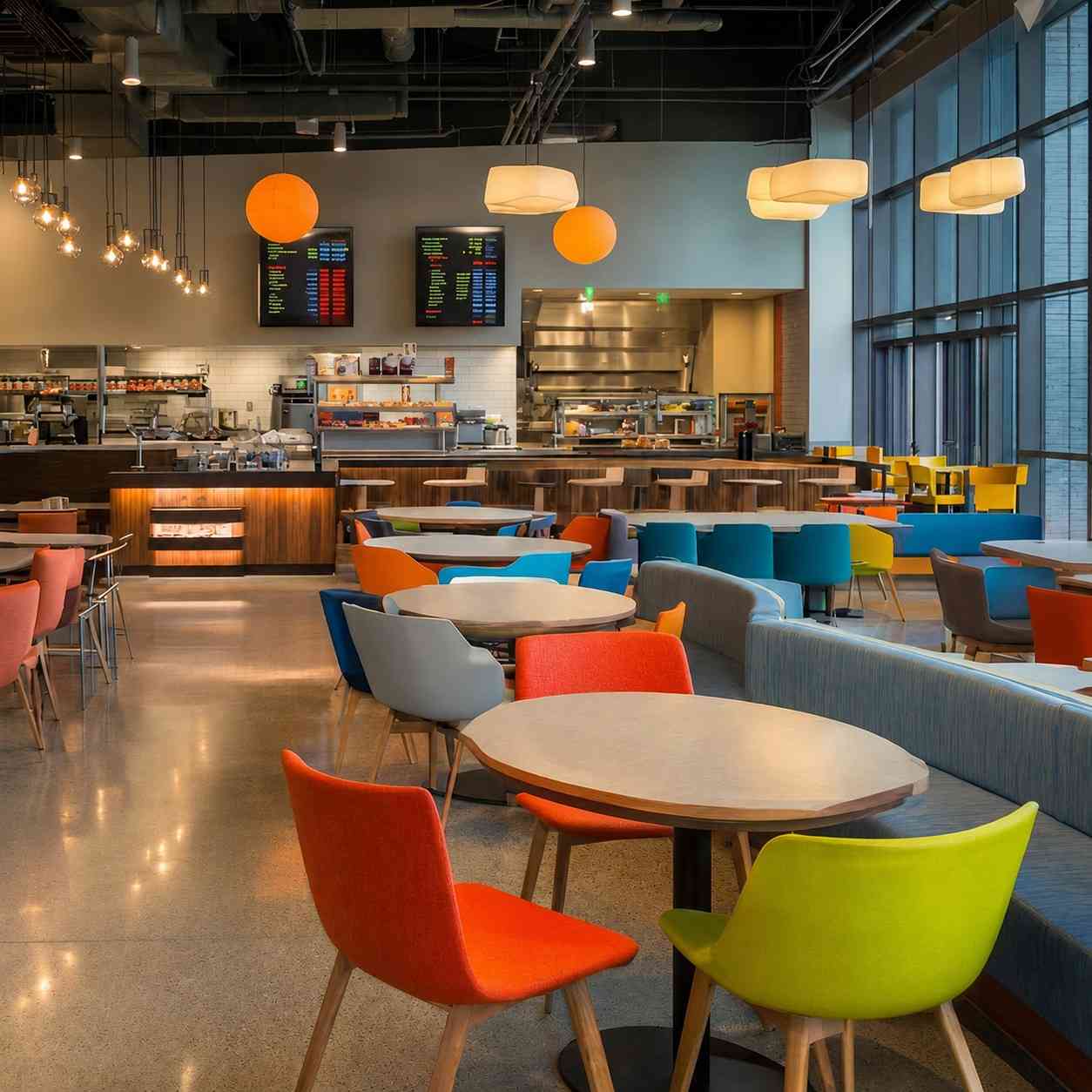
Cafeteria furniture made by cafeteria furniture manufacturers includes tables, chairs, benches, and other seating arrangements used in schools, colleges, offices, hospitals, and food courts.
Regular maintenance involves cleaning, inspection, proper handling, and timely repairs.
When you follow simple maintenance practices, you can extend furniture life, reduce replacement costs, and keep the cafeteria looking professional.
Common Mistakes That Shorten Furniture Life
Many cafeterias unintentionally reduce furniture lifespan through avoidable mistakes.
One common mistake is delaying repairs. Small issues often become major problems when ignored. Another mistake is using harsh cleaning chemicals that damage protective finishes.
Some facilities also overlook routine inspections. Without regular checks, hidden problems can develop for months before anyone notices them.
Improper storage and rough handling during layout changes can also cause unnecessary wear.
How Often Should Cafeteria Furniture Be Maintained?
Daily cleaning should occur after meal service periods or at the end of each day. This helps remove dirt, food residue, and spills before they cause damage.
Monthly inspections work well for most cafeterias. During these checks, look for loose hardware, structural issues, and surface damage. A more detailed maintenance reviews every few months can help identify patterns and address larger concerns
Best Ways to Maintain Cafeteria Furniture for Long Lasting Use
Clean Cafeteria Furniture Every Day
Daily cleaning is one of the most effective ways to maintain cafeteria furniture. Food particles, drinks, grease, and dust can slowly damage surfaces if they remain for long periods.
Use a soft cloth and suitable cleaning solution for the furniture material. Wipe tables after meal periods and clean chairs regularly. Regular cleaning also supports hygiene standards. People naturally feel more comfortable using furniture that looks clean and well cared for
Remove Spills Immediately
Spills are common in cafeterias. Coffee, juice, sauces, and other liquids can stain surfaces or damage materials if left unattended.
Train staff to clean spills as soon as they occur. Quick action prevents moisture from penetrating wood surfaces or affecting joints and hardware.
Many furniture problems begin with small spills that nobody addresses right away. Fast cleanup protects both appearance and durability.
Use the Right Cleaning Products
Not every cleaning product is suitable for cafeteria furniture. Strong chemicals can damage finishes, discolor surfaces, or weaken protective coatings.
Always follow manufacturer recommendations when selecting cleaning solutions. Use mild cleaners whenever possible and avoid abrasive materials that can scratch surfaces.
A gentle cleaning approach often works better than aggressive cleaning methods. It protects the furniture while still maintaining cleanliness.
Inspect Furniture Regularly
Regular inspections help you catch problems before they become serious. Check tables and chairs for loose screws, unstable legs, cracks, or damaged surfaces.
Create a simple inspection schedule each month. Look closely at furniture that receives the most use because it typically experiences wear faster than other pieces.
Early detection allows quick repairs. Small maintenance tasks are usually easier and less expensive than replacing damaged furniture later.
Tighten Loose Hardware Promptly
Cafeteria chairs and tables experience constant movement throughout the day. Over time, screws, bolts, and fasteners may become loose.
When furniture feels unstable, inspect it immediately and tighten the hardware. Loose components can place extra stress on the structure and lead to bigger issues.
Many people ignore slight wobbling until the furniture becomes unsafe. A few minutes of maintenance can prevent significant damage and improve safety.
Protect Furniture from Excess Moisture
Moisture is one of the biggest enemies of cafeteria furniture. Water exposure can cause wood swelling, rust on metal components, and deterioration of certain materials.
Avoid leaving wet cleaning cloths on surfaces. Dry tables and chairs thoroughly after cleaning.
Good moisture control helps furniture maintain its strength and appearance for a much longer period.
Train Staff on Proper Furniture Handling
Furniture often gets damaged during daily movement and cleaning activities. Dragging chairs and tables across floors can weaken joints and scratch surfaces.
Teach staff to lift furniture correctly when rearranging layouts. Encourage careful handling during cleaning and maintenance tasks.
Use Protective Pads and Floor Glides
Chair legs and table bases can experience wear from constant contact with hard flooring. Protective pads and floor glides help reduce friction and damage.
These accessories also protect flooring and reduce noise when furniture moves. They are inexpensive but can extend furniture life considerably.
Many facility managers overlook this simple solution. Yet it often prevents unnecessary wear on both furniture and floors.
Repair Minor Damage Quickly
Small cracks, scratches, chipped edges, or loose parts may seem unimportant at first. However, minor damage can worsen when people continue using the furniture.
Address repairs as soon as possible. Replace damaged hardware, touch up surfaces, and fix structural issues before they spread.
Last Words
Maintaining furniture and chairs by chair manufacturers in Gurgaon for long lasting use does not require complicated procedures. Simple habits such as daily cleaning, regular inspections, quick repairs, and proper handling can significantly extend furniture life. The real benefit goes beyond appearance. Well-maintained furniture improves safety, supports hygiene, reduces replacement costs, and creates a better experience for everyone who uses the cafeteria.