Unveiling the Shield: A Practical Guide to Fireproof ACP Sheets for Modern Architecture
When you work around buildings every day — whether in interiors, façades, site visits or endless material discussions — you realize how much things have changed. Especially with ACP sheets. A decade ago, people picked them mostly for color options and clean finishes. Today, the very first question is, “Is it fire-safe?” And honestly, that shift has been good for everyone. Fire safety is no longer a formality; it’s a responsibility we carry from concept to handover.
Over time, I’ve seen how fireproof and fire-retardant panel technology has evolved and the way we specify it has become far more informed. This guide is simply an honest explanation — from someone who handles these materials regularly — on what fireproof ACP sheets are, how they behave and what you should check before selecting them.
About Alstone — Why Our Perspective Comes From Real Experience
At Alstone, we’ve spent more than two decades working with advanced cladding materials and understanding how buildings actually behave over time. The company was started by Mr. Sumit Gupta, someone many of us here still describe as a “material guy” before anything else. He began Alstone at a time when the façade industry in India was still finding its identity. What he brought in — and still brings — is a mix of practicality and curiosity. He was the one who kept saying, “If India is growing vertically, our materials must grow smarter,” and that simple thought quietly shaped the way Alstone approached innovation.
We manufacture Fire Retardant Composite Panels (FRCP), Metal-based HPL, Aluminium Honeycomb Panels, Metal Louvers and Zinc Composite Panels (ZCP) in collaboration with VMZINC, France.
We run two state-of-the-art manufacturing plants —
- Dehradun (Uttarakhand) for Aluminium Composite Panels
- Kotputli (Rajasthan) for Alstone Alcomb – Aluminium Honeycomb Panels and other high-performance cladding materials
Both plants have in-house coating lines, which is one of those behind-the-scenes details people don’t always think about, but it makes a noticeable difference when it comes to color consistency, durability and delivery timelines.
Over the years, we’ve delivered 700+ million sq. m of Metal Composite Panels (MCP) across India with support from 500 channel partners and 16 offices nationwide. That’s why when we talk about ACP sheets, fire safety and façade performance, it comes from genuine, everyday experience — not theory.
What Exactly Is a Fireproof ACP Sheet?
In simple terms, a fireproof ACP (or FR ACP sheet) looks like any other ACP sheet from the outside. The magic is inside the core.
A regular ACP sheet uses a polyethylene (PE) core, which is combustible. FR-grade panels replace this with a mineral-filled or non-combustible core that doesn’t feed a fire.
Quick comparison:
- Standard ACP Sheet: Beautiful aesthetics, very versatile… but combustible core.
- FR / A2 ACP Sheet: Looks the same but built for serious fire protection.
When you’ve stood on enough sites — especially retrofit jobs — you immediately feel the difference between panels that were designed with safety in mind and those that weren’t. FR ACP sheets have basically changed the baseline of what “acceptable façade material” means today.
Understanding Fire Grades without Complicating It
Let’s put the technical terms in a straightforward way:
A2 (A2-s1, d0)
Low combustibility, minimal smoke, minimal dripping. This is the grade we recommend for high-rise buildings, hospitals, airports and public spaces.
A1
Fully non-combustible, though rare in composite form.
B / FR Grade
Reduced combustibility but doesn’t match A2 performance. Suitable for low-rise and interior applications, depending on the project.
Standards to look for:
EN 13501-1, ASTM E84, NFPA 285, IS 17351 (BIS)
After working on multiple façade projects, one thing I always emphasize is: don’t skip checking the certificate. Third-party reports, batch numbers, testing labs — all of this matters more than brochure claims.
How Fireproof ACP Sheets Really Work
Fireproof ACP sheets aren’t “magic panels.” They work because of a combination of design, chemistry and layering.
Mineral Core Composition
The mineral core in FR ACP sheets reacts differently to heat. Instead of melting or igniting, it slows down heat transfer and sometimes even releases moisture, which naturally lowers the temperature.
Layered Structure
The aluminium skins act as a barrier, giving the panel strength and limiting oxygen exposure. The core does the heavy lifting in terms of fire resistance.
Low Smoke & Low Toxicity
In a real fire, most casualties occur because of smoke inhalation. Good FR cores produce significantly less smoke, which makes evacuation manageable.
System-Level Performance
ACP sheets don’t work alone — they work with insulation, sub frames, cavity barriers and fire-rated sealants. You need the whole system to be right.
I’ve seen installations where the panel was perfect but the cavity barriers were ignored — and that defeats the entire purpose.
Why Architects & Interior Professionals Prefer FR ACP Sheets
If you look beyond technicalities and think practically, FR ACP sheets offer:
- Higher fire safety standards
- Clean, modern aesthetics
- Lightweight installation
- Excellent weather resistance
- Long service life
- Better insurance and compliance advantages
Even in interior projects, FR ACP gives peace of mind when it comes to lobby ceilings, corridors, cladding panels and high-traffic spaces.
Installation: The Most Underrated Part of the Process
This is where many projects succeed or fail.
Use proper tools
Wrong blades can contaminate or damage the core.
Maintain the right joint gaps
Usually between 10–15 mm, sealed with fire-rated sealants.
Stick to tested sub frame systems
The fasteners, brackets and sub frames all influence fire behavior.
Install cavity barriers properly
Vertical and horizontal barriers stop the chimney effect — the biggest risk during façade fires.
Work with trained teams
This is extremely important. Even the best ACP sheets need skilled hands.
What to Check before Selecting Any FR ACP Sheet
Here’s the checklist I personally use:
- EN 13501-1 A2-s1, d0 certification
- NFPA 285 façade system test reports
- Core composition details
- Warranty and batch traceability
- Fire-rated sealants, tapes and insulation compatibility
A few document checks upfront save countless issues later.
Comparing FR ACP Sheets with Other Cladding Materials
| Material | Fire Behavior | Notes |
| HPL (exterior) | Can be fire-rated | Heavier than ACP |
| Glass | Non-combustible | Can crack under extreme heat |
| Concrete | Great fire resistance | Heavy, rigid |
| FR ACP | Balanced fire safety + aesthetics | Lightweight, cost-effective |
From a practical standpoint, FR ACP sheets often hit the sweet spot between performance, weight and design.
A Look at Modern A2-Grade Panels
Many A2-grade panels in today’s market have undergone façade system testing. When evaluating these products, don’t look only at panel-level reports — look at complete assembly performance. That’s what truly reflects real-world behavior.
FAQs — Quick Answers for Busy Designers
Are A2 ACP sheets required for high-rise projects?
Yes, in most modern regulations.
Can FR ACP be used indoors?
Absolutely — especially for areas with higher footfall or stricter safety expectations.
What’s the lifespan?
20+ years with correct installation.
How do I verify authenticity?
Ask for real certificates, batch numbers and test reports.
Conclusion
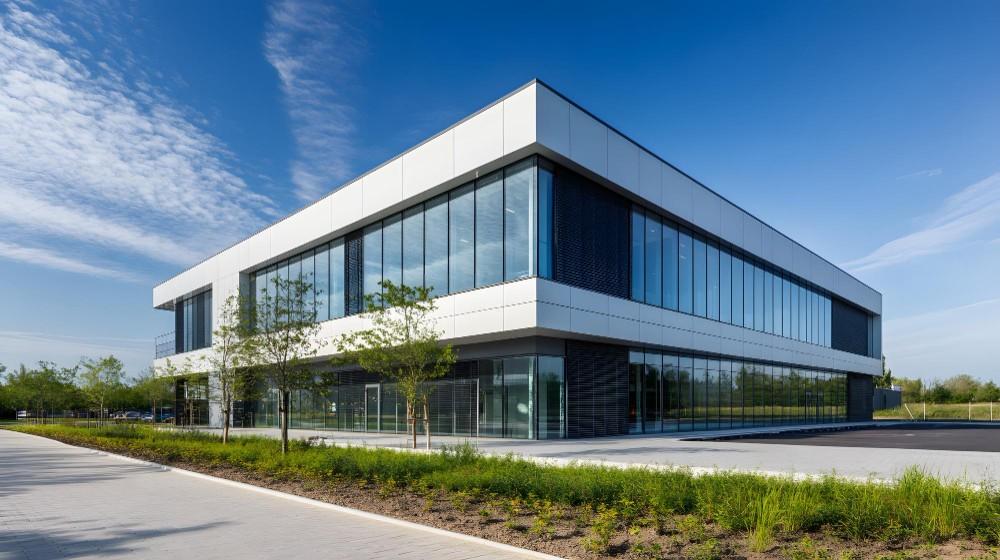
Fireproof ACP sheets have become an essential part of today’s façade and interior vocabulary. They let us design boldly while staying responsible about safety. The real secret lies in choosing verified materials, understanding system behavior and working with trained installers.
When all three come together, FR ACP sheets not only protect but also elevate the building — giving it both confidence and character.