
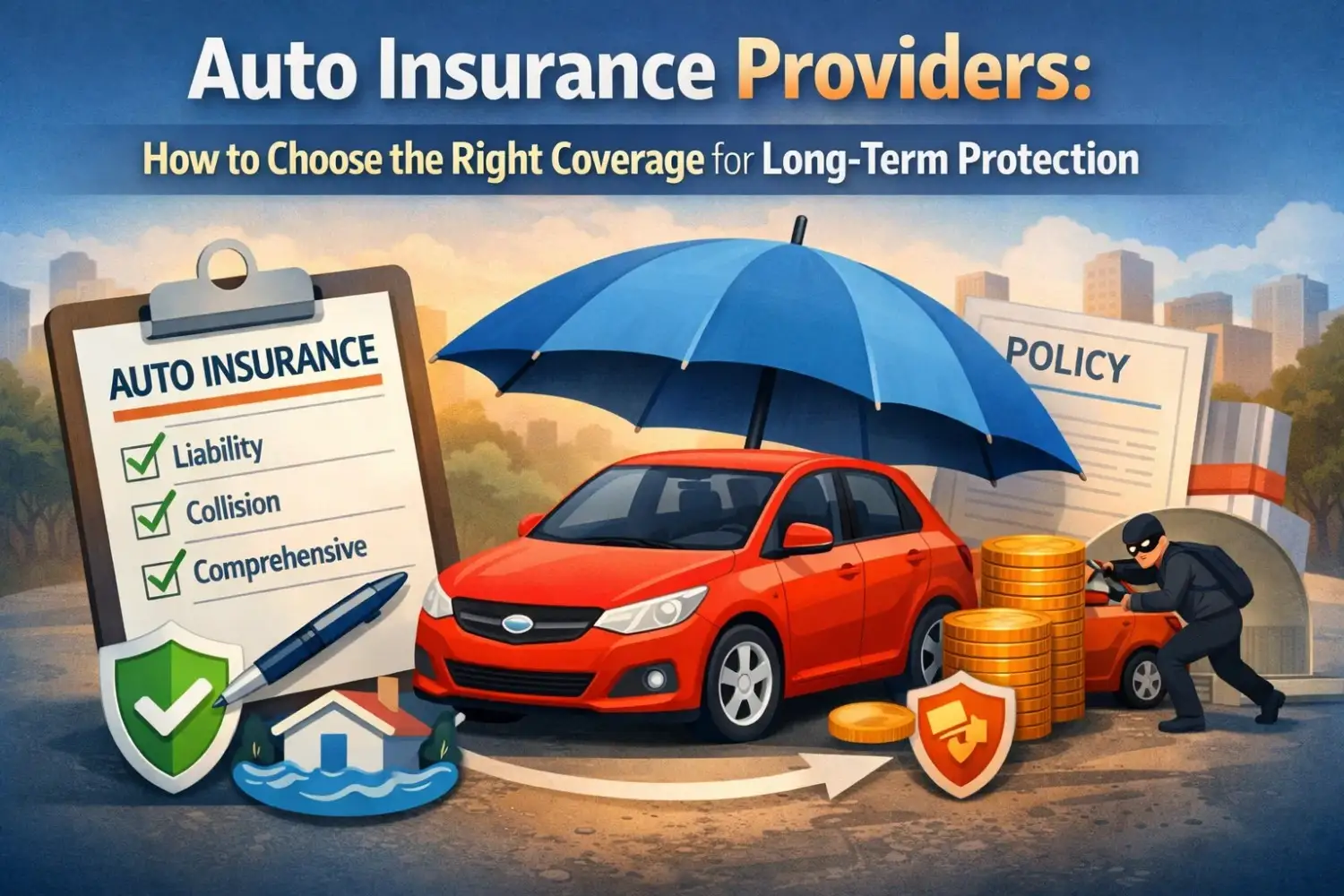
Auto Insurance Providers: How to Choose the Right Coverage for Long-Term Protection
Choosing the right auto insurance is not just about meeting a requirement—it’s about protecting your finances, your vehicle, and your peace of mind. With so many auto insurance providers available today, drivers often feel overwhelmed by choices, coverage options, and pricing structures. Making the wrong decision can lead to coverage gaps, unexpected expenses, or claim delays when you need support the most.
This guide is designed to help you understand how auto insurance providers operate, what differentiates one from another, and how to confidently select coverage that fits your driving needs and budget. By the end, you’ll be equipped to make informed decisions and take the next step toward securing reliable auto coverage.
Understanding Different Types of Auto Insurance Coverage
Before evaluating auto insurance providers, it’s essential to understand the types of coverage commonly offered. Not all policies are created equal, and coverage structure plays a major role in determining both protection and cost.
Liability coverage protects you if you cause damage or injury to others. Collision coverage helps pay for repairs to your own vehicle after an accident, regardless of fault. Comprehensive insurance covers non-collision events such as theft, vandalism, fire, or weather damage. Uninsured and underinsured motorist coverage protects you if another driver lacks sufficient insurance.
Different auto insurance providers bundle these options differently, offer varying limits, and include optional add-ons such as roadside assistance or rental reimbursement. Understanding these distinctions allows you to focus on value rather than just price when comparing coverage.
How Auto Insurance Providers Calculate Your Premium?
Many drivers are surprised by how premiums are calculated. Auto insurance providers use multiple data points to assess risk and determine pricing. These factors often include driving history, claim frequency, vehicle type, annual mileage, location, age, and credit-based insurance scores where permitted.
For example, a newer vehicle with advanced safety features may qualify for lower rates, while frequent commuting may increase risk exposure. Location also matters—areas with higher accident or theft rates may result in higher premiums.
Because each company weighs these factors differently, rates can vary significantly among auto insurance providers. This is why comparing quotes is one of the most effective ways to identify cost-effective coverage without sacrificing protection.
Evaluating the Reputation and Reliability of Auto Insurance Providers
Price alone should never be the deciding factor when choosing coverage. Reliability becomes critical when you need to file a claim, seek policy support, or update coverage details. Evaluating the reputation of auto insurance providers helps ensure a smoother experience during stressful situations.
Look for indicators such as claim handling efficiency, customer support accessibility, transparency in policy terms, and financial stability. Consistent service quality often reflects an insurer’s ability to honor claims promptly and fairly.
Reputable auto insurance providers prioritize clear communication, offer user-friendly policy management tools, and maintain strong operational standards—key elements that directly impact customer satisfaction and trust.
Tips for Comparing Auto Insurance Providers Effectively
Comparing auto insurance providers goes beyond reviewing monthly premiums. A structured comparison approach helps uncover meaningful differences that affect long-term value.
Start by aligning coverage limits and deductibles across quotes to ensure accurate comparisons. Review exclusions, optional endorsements, and flexibility for future adjustments. Some providers offer discounts for safe driving, multi-vehicle policies, or bundled insurance solutions, which can significantly reduce overall costs.
Requesting personalized car insurance quotes allows you to evaluate how well each provider matches your specific needs. Effective comparison ensures you’re not overpaying for unnecessary coverage or underinsured when it matters most.
Common Mistakes to Avoid When Choosing Auto Insurance Providers
Many drivers make avoidable mistakes when selecting coverage, often due to lack of information or rushed decisions. One common error is choosing the cheapest policy without evaluating coverage adequacy. Low premiums may come with high deductibles or limited protection.
Another mistake is failing to review policy terms carefully. Overlooking exclusions, coverage caps, or renewal conditions can lead to unpleasant surprises later. Some drivers also neglect to update policies after life changes such as relocating, purchasing a new vehicle, or changing driving habits.
Avoiding these pitfalls helps ensure that the auto insurance providers you choose align with both your current and future needs, providing consistent protection over time.
How Technology Is Transforming Auto Insurance Providers?
Technology has significantly reshaped how auto insurance providers serve customers. Digital platforms now allow drivers to obtain quotes, manage policies, and submit claims entirely online, improving convenience and efficiency.
Usage-based insurance programs use telematics to track driving behavior, offering potential savings for safe drivers. Mobile apps provide real-time access to policy documents, claim updates, and support services. Automated systems also help streamline claims processing, reducing wait times.
Modern auto insurance providers that invest in technology often deliver better user experiences, faster service, and greater transparency—key factors for today’s digitally driven consumers.
Steps to Take After Choosing an Auto Insurance Provider
Once you’ve selected an insurer, your responsibility doesn’t end there. Reviewing your policy documents thoroughly is crucial to ensure accuracy in coverage limits, deductibles, and personal information. Setting up payment preferences helps prevent lapses in coverage.
It’s also wise to store digital and physical copies of your insurance documents for easy access. Periodic policy reviews allow you to adjust coverage as your circumstances change.
Working proactively with auto insurance providers helps you maintain continuous protection and ensures your policy remains aligned with your evolving needs.
Conclusion:
Choosing among auto insurance providers is a decision that directly impacts your financial security and peace of mind. By understanding coverage options, evaluating pricing factors, comparing providers effectively, and avoiding common mistakes, you can make confident, informed choices.
The right provider offers more than just a policy—it delivers reliability, transparency, and long-term value. Taking the time to assess your options and request personalized quotes positions you to secure coverage that protects what matters most.
If you’re ready to explore coverage options, comparing auto insurance providers today can be the first step toward smarter protection and better control over your insurance costs.
Disclaimer:
This article is intended for general informational purposes only and should not be considered legal, financial, or insurance advice. Coverage requirements and laws may vary by state and policy type. Always consult a licensed insurance professional or legal advisor for guidance specific to your business.