
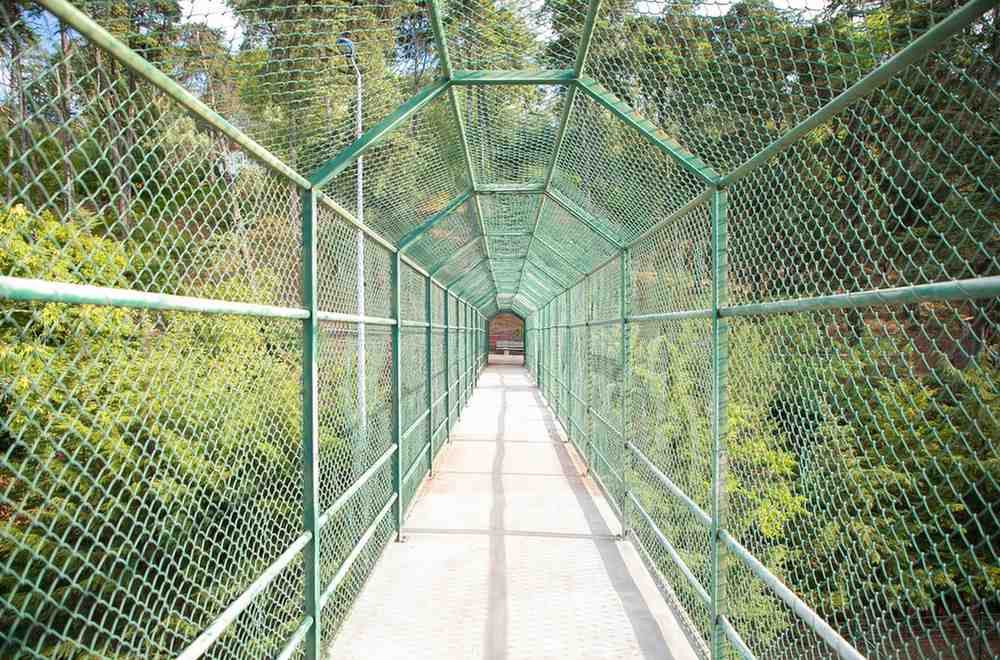
Why Temporary Fencing Is Used on Construction Sites?
Construction sites are busy environments filled with heavy equipment, building materials, excavation work, and constant movement of workers and vehicles. Without proper site control, these areas can pose significant safety risks to both workers and the public. This is why temporary fencing is a standard requirement on many construction and infrastructure projects.
A temporary fencing system creates a secure perimeter around the worksite, helping control access, improve safety, and support compliance with workplace regulations. Whether used for a small renovation project or a large-scale development, temporary fencing plays a vital role in maintaining an organized and secure construction environment.
Improving Site Safety
One of the primary reasons temporary fencing is installed is to protect people from construction-related hazards.
Construction sites often contain:
- Heavy machinery and moving vehicles
- Excavations and trenches
- Elevated work areas
- Electrical equipment
- Building materials and debris
By creating a clearly defined boundary, temporary fencing prevents unauthorized individuals from accidentally entering hazardous areas. This reduces the likelihood of injuries involving pedestrians, visitors, or workers who are not assigned to specific zones.
The fencing also helps construction personnel identify restricted areas, supporting safer movement throughout the site.
Controlling Unauthorized Access
Construction sites frequently store valuable equipment, tools, and materials. Without proper perimeter security, these assets may become vulnerable to theft, vandalism, or unauthorized use.
Temporary fencing serves as a visible physical barrier that discourages trespassing and helps limit access to authorized personnel only.
Many sites enhance security by incorporating:
- Lockable access gates
- Designated entry and exit points
- Visitor control procedures
- Security patrols and monitoring systems
By restricting access, project managers can better protect equipment and maintain accountability for activities occurring within the site.
Protecting the Public
Construction activities often take place near residential areas, schools, commercial districts, and public walkways. In these environments, protecting passersby is a major priority.
Temporary fencing helps separate the public from:
- Construction traffic
- Falling objects
- Excavation areas
- Stored materials
- Active work zones
The fence provides a clear visual warning that construction activities are taking place beyond the perimeter. This helps pedestrians avoid potentially dangerous areas and follow designated pathways around the site.
For projects located in high-traffic urban areas, temporary fencing is often combined with warning signs and safety notices to further enhance public awareness.
Supporting Regulatory Compliance
Many construction projects must comply with workplace safety regulations and local authority requirements regarding site security and hazard management.
Temporary fencing helps contractors meet these obligations by:
- Establishing secure site boundaries
- Restricting unauthorized access
- Identifying hazardous work zones
- Supporting overall risk management measures
Maintaining a properly secured perimeter demonstrates a commitment to workplace safety and can help reduce the likelihood of accidents, violations, or project disruptions.
Common Types of Temporary Construction Fencing
Different projects require different fencing solutions depending on site conditions and security needs.
Temporary Fence Panels
Temporary fence panels are among the most commonly used options on construction sites.
These systems typically consist of:
- Welded wire mesh panels
- Metal support frames
- Freestanding bases or feet
- Clamps that connect adjacent panels
Because they do not require permanent foundations, fence panels can be installed, relocated, and removed quickly as project requirements change.
Edge Protection Fencing
Edge protection fencing is commonly used on elevated construction areas such as:
- Building floors
- Concrete decks
- Lift shafts
- Stair openings
- Excavation edges
These barriers help prevent falls and provide an additional layer of protection for workers operating near exposed edges.
Crowd Control Barriers
Crowd control barriers are lower-profile fencing systems designed to manage pedestrian movement around construction zones.
They are often used for:
- Temporary walkways
- Public events near construction areas
- Roadworks
- Utility maintenance projects
Their lightweight design allows for quick deployment while still providing effective guidance and separation.
Flexibility for Changing Site Conditions
Construction projects evolve continuously as work progresses from one stage to another. Temporary fencing offers the flexibility needed to adapt to these changing conditions.
Sections can be:
- Expanded as the site grows
- Repositioned around new work areas
- Removed once work is completed
- Combined with gates and access control points
This adaptability makes temporary fencing a practical solution for both short-term and long-term projects.
Frequently Asked Questions
Most temporary fencing systems are manufactured from galvanized steel or other weather-resistant materials designed to withstand outdoor conditions, including rain, wind, and prolonged exposure to sunlight.
Yes. One of its main advantages is portability. Fence panels can be relocated as project requirements change without requiring permanent installation.
Yes. Temporary fencing helps deter trespassers, restrict unauthorized access, and protect valuable equipment and materials from theft or vandalism.
Requirements vary depending on local regulations and project type. However, perimeter fencing is widely used as a best practice for improving safety, security, and regulatory compliance on construction sites.