

Qamaria Yemeni Coffee: What Is It and Why Is It Trending in the US?
Walk into a Qamaria café and the first thing you notice is not the espresso machine. It is the smell: cardamom, cinnamon, and warm ginger drifting across the counter, closer to a spice market than a typical coffee chain. The cup that reaches you looks familiar, maybe a latte or an iced coffee. The first sip tastes nothing like the vanilla and caramel drinks most Americans grew up on.
That surprise drives one of the fastest-growing coffee stories in the country. Yemeni coffee was largely unknown in the US until 2020. Today, Qamaria Yemeni Coffee Co. runs more than 40 cafés across about 15 states, according to a recent AP report. So what exactly is Qamaria, why are people lining up, and what should you order? This guide answers all three.
What Is Qamaria Yemeni Coffee?
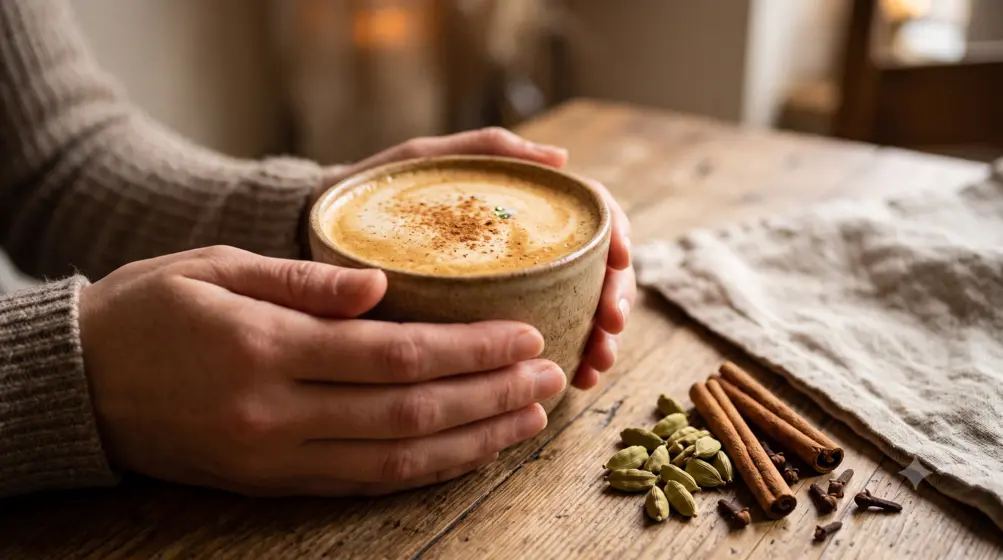
Qamaria Yemeni Coffee Co. is a US coffeehouse brand, founded by Yemeni entrepreneurs, that serves coffee from Yemen’s highlands and brews it in traditional ways with spices such as cardamom, cinnamon, and ginger.
The name is pronounced “ka-maria.” According to AP reporting, the founder chose it as a nod to the stained-glass windows common in Yemeni homes, which soften incoming moonlight. The brand sits within a wider movement of Yemeni coffeehouses opening across America, including Qahwah House, Haraz Coffee House, and Arwa. Bon Appétit estimated about 30 distinct Yemeni coffee businesses in the US, some with dozens of locations.
In plain terms, think of Qamaria as a modern café that looks familiar on the menu but tastes different in the cup. You can order a latte, an iced coffee, or Turkish coffee. The difference is that many drinks carry warm spice and a smoother, less bitter finish.
The Story Behind Qamaria: From Wholesaler to National Chain
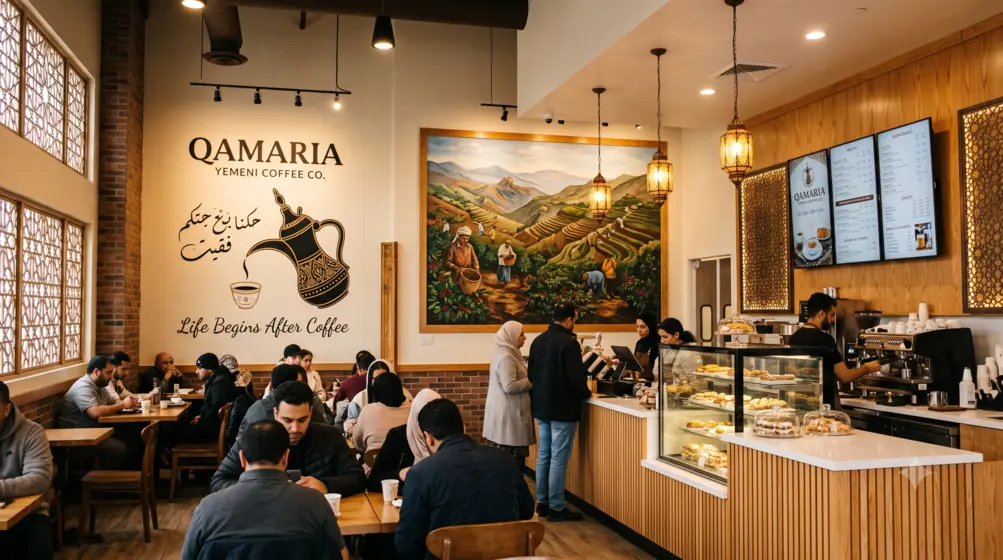
Qamaria did not start as a café. Hatem Al-Eidaroos and Munif Maweri, two Yemeni entrepreneurs with a shared passion for the coffee they grew up with, launched the company in 2020 as a wholesaler. They supplied Yemeni beans to roasters and coffee shops, and in 2021 they opened their first café in Michigan.
The sourcing story is a big part of the appeal. Reporting from WTTW describes beans coming from a family of four brothers who farm high in Yemen’s mountains, in the Haraz region. The beans travel to a central roaster in the Detroit area and then to franchise cafés across the country. The company’s own website claims the largest stockpile of Yemeni coffee beans in the US.
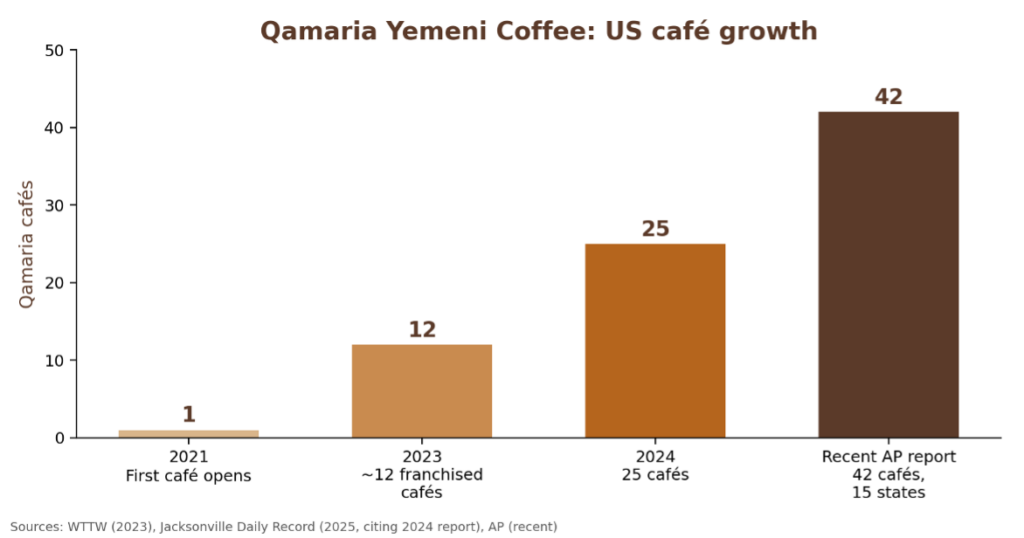
Growth since then has been fast. WTTW counted about 12 franchised cafés in 2023, with 18 more planned. A 2024 report cited by the Jacksonville Daily Record put the number at 25. The recent AP report counts 42 locations in 15 states. Counts vary between sources and change often, so check the official store locator for the latest number.
What Makes Yemeni Coffee Taste Different?
Three things separate a Qamaria cup from a standard café drink: how the spices are used, what goes into the cup besides beans, and the culture around drinking it.
Spices brewed in, not sprinkled on
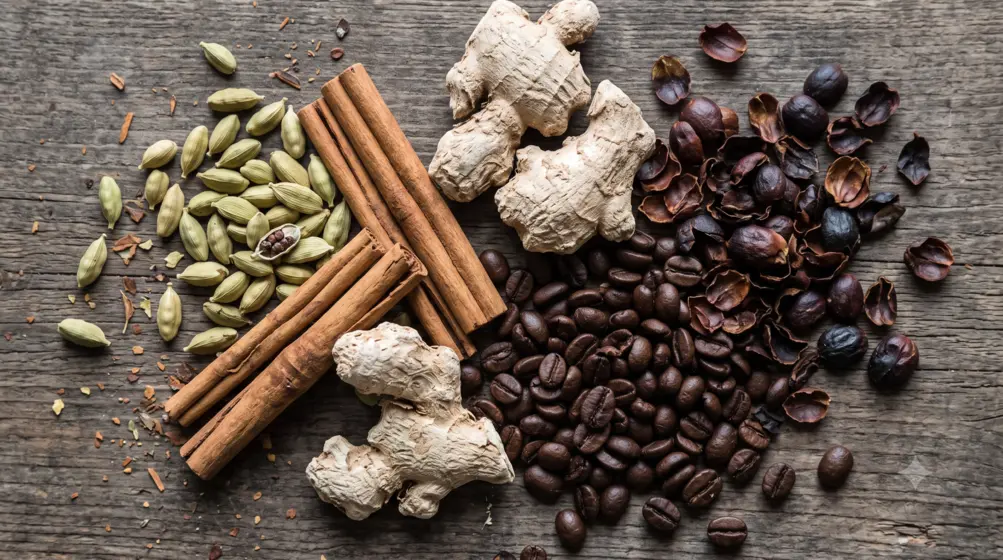
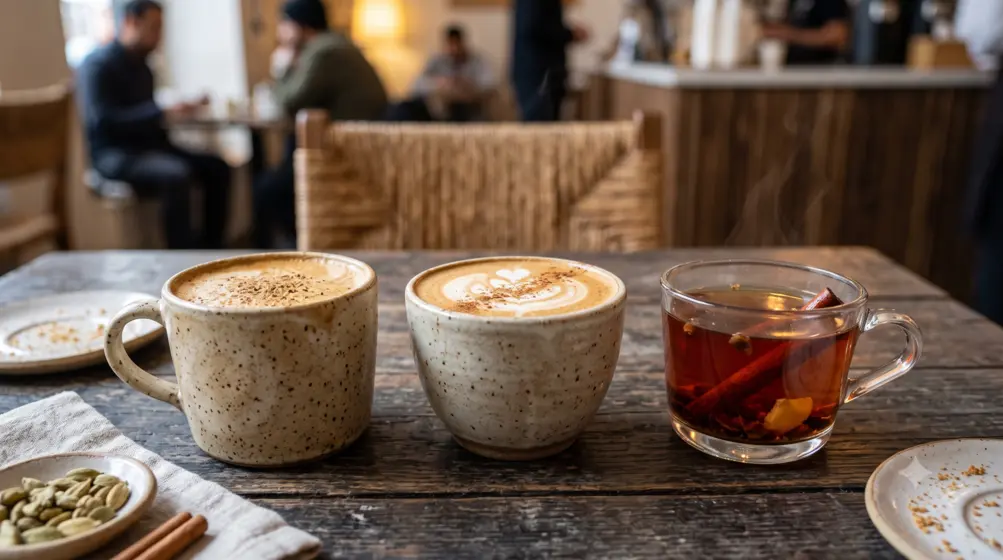
Many Qamaria drinks are infused with cardamom, cinnamon, and ginger, following traditional Yemeni brewing methods. Because the spices go in during brewing, the flavor blends into the coffee rather than sitting on top of it. The result tastes warm and aromatic, and bitterness fades into the background. If you enjoy chai, you will find the profile familiar.
Different roasts and coffee husks
Qamaria’s menu lists medium roasts with cardamom and cream, a lighter roast with ginger and cardamom, and its Sanaa medium roast with cardamom, ginger, and cinnamon. It also serves drinks made with qishr, also called cascara, the dried husk of the coffee cherry. Cascara adds a gentle, tea-like note, and Qamaria offers it on its own or blended with coffee.
A slower, shared ritual
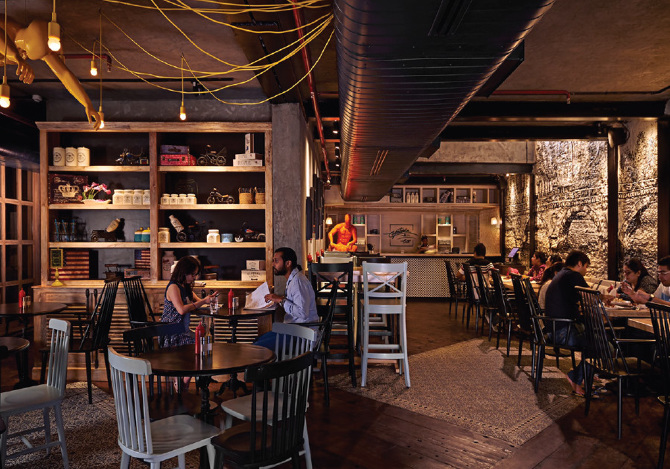
Hatem Al-Eidaroos told AP that Yemeni coffee is meant to be enjoyed with two or three other people, and that his community is not used to getting coffee to go. That attitude shapes the café experience: comfortable seating, pastries, and a pace that invites conversation instead of a rushed pickup.
Why Is Qamaria Trending in the US?
No single viral moment explains the rise. Four factors work together.
- A flavor that feels new but approachable. Spiced, creamy drinks give coffee lovers something different without asking them to abandon lattes. Honey, cream, and cardamom make the first try easy.
- Strong community roots. Yemeni-American communities in Michigan, Texas, Illinois, and California created early demand. Cafés in these areas often act as gathering places, which helps word of mouth spread.
- Fast franchise growth and visibility. New locations open often, sometimes with grand-opening events and influencer previews, as in Milwaukee. Each opening brings fresh attention in a new city.
- Curiosity about origins. Historians credit Yemen with the birthplace of coffee as a drink. Many guests like the idea of tasting coffee from where the story began. Co-founder Hatem Al-Eidaroos told WTTW he loves hearing people say they have never tasted coffee like it.
Put simply, Qamaria combines novelty, hospitality, and a clear story. That mix travels well from city to city.

What to Order on Your First Visit
Menus vary by location, so treat this as a starting guide and check the board when you arrive. These drinks appear on Qamaria’s published menus.
- If you like chai or lattes: Order the Adeni Chai Latte, which blends chai spices with creamy steamed milk, or the Qamaria Latte, made with espresso, milk, cardamom, cinnamon, and honey. Both are available iced.
- If you like black coffee: Try the Adeni coffee, a medium roast balanced with cardamom and cream, or the lighter roast with ginger and cardamom for a brighter cup.
- If you want something different: Choose a cascara drink with ginger and cinnamon, or the iced rose Adeni chai with rose cold foam where it is offered.
- If you want the classic: Order Turkish coffee, another menu staple.
Pair your drink with a pastry from the bakery case. Some menus list creative cardamom-inspired items, such as a hazelnut cardamom raisin croissant. Today, I visited a café in New York City, USA, and tried its best-selling latte, priced at around $5.50. The coffee had a smooth espresso base, creamy steamed milk, and a rich, balanced flavour. It was fresh, aromatic, and not overly sweet. The café had a relaxed atmosphere, making it a great place to enjoy a coffee break. Overall, I’d rate it 4.5/5 for taste and quality.
Final Thoughts: Try It for Yourself
Qamaria Yemeni Coffee has grown because it offers something rare in a crowded café market: a drink with a real story, a flavor you cannot get elsewhere, and a setting built for sharing. The coffee tastes warm and spiced, the sourcing traces back to Yemen’s highlands, and the pace invites you to stay a while.
Your next step: find your nearest Qamaria on its official store locator, order an Adeni Chai Latte or a Qamaria Latte, and bring a friend. Then tell us in the comments which drink you picked and how it compares with your usual order. Want more guides to unique cafés and coffee traditions? Subscribe to our newsletter so you never miss one.
Quick Answers About Yemeni Coffee
Historians credit Yemen with the birthplace of coffee as a drink, and the country’s highland farms have grown coffee for centuries. Exact origins remain debated, but Yemen played a central role in spreading coffee around the world.
Spiced brewing is a long-standing Yemeni tradition. Cardamom, cinnamon, and ginger add aroma and warmth, and they soften bitterness. Regions and families use their own spice blends, and Qamaria brings several of these styles together on one menu.
Cascara, called qishr in Yemen, is the dried husk of the coffee cherry. Cooks brew it with spices like ginger and cinnamon to make a light, tea-like drink. Qamaria serves it alone or blended with coffee.
Yemeni-American entrepreneurs saw demand for coffee from their home country, and customers responded to the flavors and hospitality. Franchise models let brands like Qamaria open new cafés quickly, from Michigan and Texas to California and Florida.
Qamaria coffee tastes smooth, warm, and aromatic. Baristas brew cardamom, cinnamon, and ginger into many drinks, so you taste spice before bitterness. Cream or honey adds gentle sweetness. If you enjoy chai or a cardamom latte, you will likely enjoy it.
Yemeni entrepreneurs Hatem Al-Eidaroos and Munif Maweri founded Qamaria Yemeni Coffee Co. in the US. They began as wholesalers around 2020 and opened their first café in Michigan in 2021. The company imports beans from Yemen’s highlands and roasts them in the Detroit area.
Say “ka-maria.” Local reporting uses this pronunciation, and it is easy to remember. If you still feel unsure, point at the item on the menu. Baristas hear this question every day.
Order the Adeni Chai Latte or the Qamaria Latte first. Both balance spice and creamy milk, so they suit most people. Prefer black coffee? Try a medium roast with cardamom. Menu names vary by location, so check the board when you arrive.
Qamaria drinks taste flavor-forward rather than harsh. Spices soften bitterness, and cream rounds the cup. Caffeine depends on the drink you pick: espresso lattes carry espresso, while tea-style and cascara drinks differ. Ask your barista which drink fits your caffeine preference.
Yes. Qamaria serves Adeni tea, and many locations offer cascara drinks brewed from coffee husks with ginger and cinnamon. Some menus also list rose Adeni chai and mint tea. Availability changes by café, so confirm on the local menu or ordering page.
Qamaria reported more than 40 cafés in about 15 states in a recent AP story, and it keeps opening new ones. Counts differ between sources and change often. Use the official store locator to find your nearest café and confirm opening hours.
Yes. Qamaria expands through franchise partners, and local franchisees build and run individual cafés. This explains the fast growth across many states. Menu items and décor stay similar, but small details like pastries and hours can differ by location.
Yes. Qamaria sells pastries and bakery items alongside its drinks, and some menus list cardamom-inspired treats like a hazelnut cardamom raisin croissant. Offerings differ by café, so check the menu before you go.
Qamaria builds its menu around Yemeni brewing traditions, spice-infused coffee, and cascara drinks, while Starbucks focuses on standard espresso beverages and seasonal specials. Qamaria also encourages guests to sit, share, and linger. Both serve familiar lattes, so you can start with something recognizable.




One Comment