
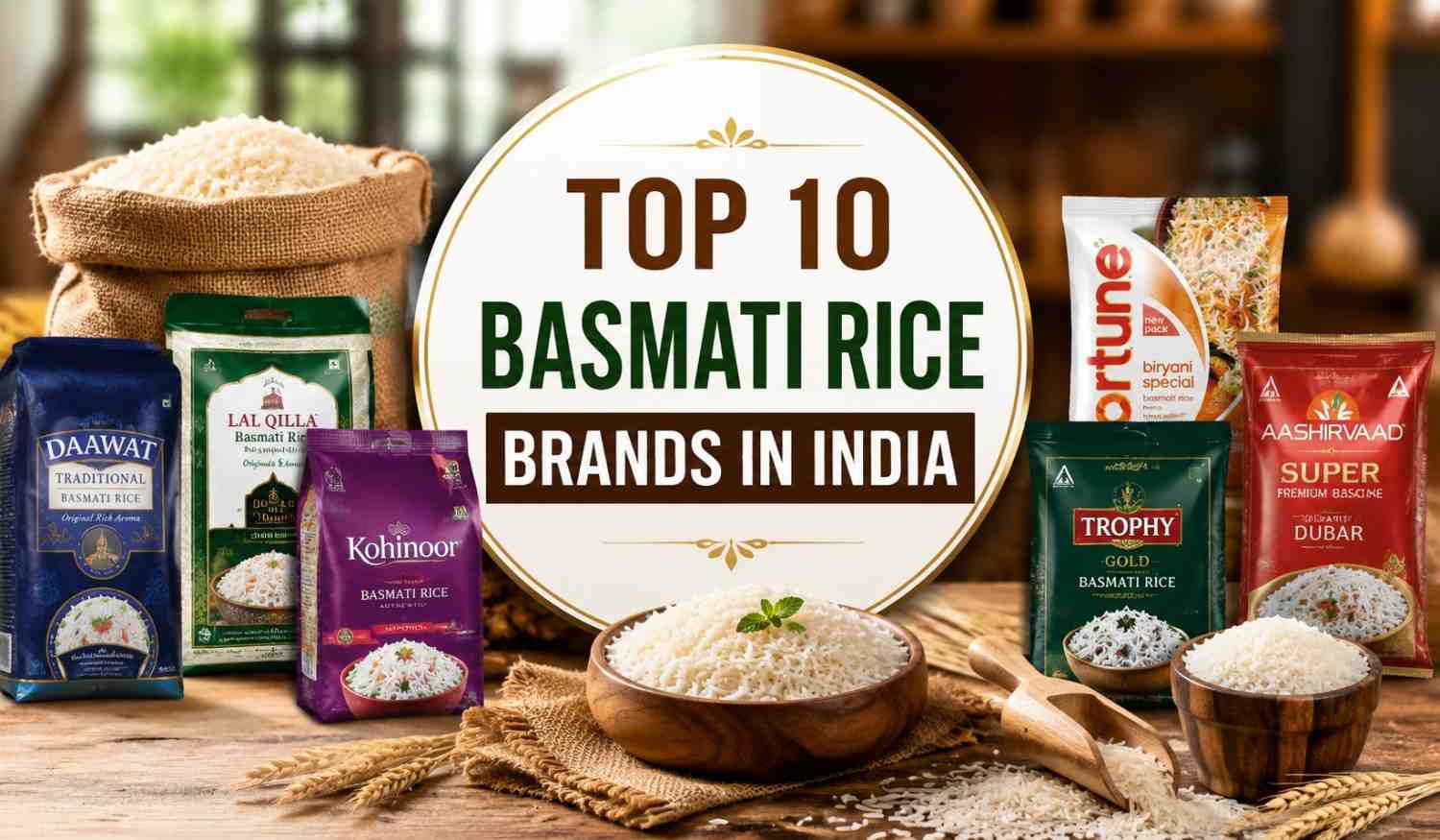
Top 10 Basmati Rice Brands in India: Best Choices for Quality, Aroma & Taste in 2026
Basmati rice holds a special place in Indian kitchens. From aromatic biryani and pulao to jeera rice, fried rice and festive dishes, the right Basmati can make a noticeable difference in aroma, texture and presentation.
Known for its long, slender grains, distinctive fragrance and excellent elongation after cooking, authentic Basmati rice is grown in specific regions of the Indian subcontinent. In India, the geographical area associated with Basmati includes Punjab, Haryana, Himachal Pradesh, Delhi, parts of western Uttar Pradesh and Jammu & Kashmir.
With dozens of packaged rice options available today, however, choosing the best Basmati rice brand in India can be confusing. Some varieties are designed for premium biryani, while others are better suited to everyday meals, pulao or health-conscious diets.
To make your choice easier, here is an updated look at some of the top Basmati rice brands in India in 2026, including India Gate, Daawat, Kohinoor, Lal Qilla and other popular names.
What Makes Basmati Rice Special?
Basmati is not simply another type of long-grain rice. Its distinctive characteristics are influenced by its variety, geographical origin, cultivation conditions, processing and ageing.
According to India’s Agricultural and Processed Food Products Export Development Authority (APEDA), Basmati is characterised by extra-long, slender grains that show significant elongation during cooking, along with a soft and fluffy texture, characteristic aroma and distinctive flavour.
Good-quality Basmati rice generally offers:
- Long and slender grains
- Noticeable grain elongation after cooking
- Distinctive natural aroma
- Fluffy and separate cooked grains
- Good flavour absorption
- Low stickiness when cooked correctly
- Consistent grain size and minimal broken grains
Ageing can also influence cooking performance. Properly aged Basmati generally contains less moisture and can deliver better grain separation, texture and elongation.
Top Basmati Rice Brands in India in 2026
There is no single brand that is objectively “best” for every household. The right choice depends on your budget, preferred dish, grain length, aroma and whether you want premium aged, everyday, brown or value-oriented rice.
Here are some of the leading brands worth considering.
1. India Gate Basmati Rice
Best for: Premium Basmati, biryani and special occasions
India Gate is one of the most recognised Basmati rice brands in India and international markets. The brand belongs to KRBL Limited, an Indian rice company with a history dating back to 1889.
KRBL has a substantial presence in the Basmati rice industry, with large-scale milling and exports to numerous international markets.
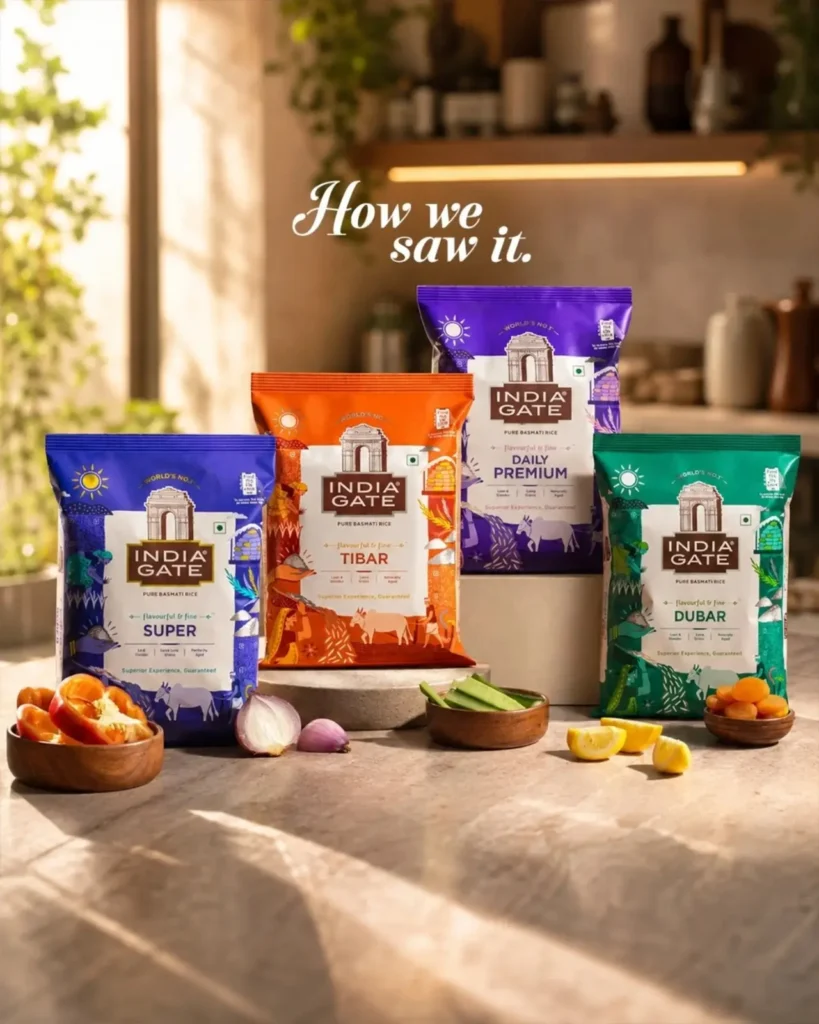
India Gate offers multiple rice variants designed for different cooking requirements and budgets. Premium options are particularly popular for dishes where grain length, separation and presentation matter.
Why choose India Gate?
- Wide range of Basmati varieties
- Long, slender grains
- Good elongation when cooked properly
- Suitable options for biryani, pulao and everyday meals
- Strong domestic and international presence
- Premium and value-oriented variants available
For biryani or festive cooking, premium aged variants may provide better grain separation and visual appeal, while more economical varieties can work well for regular household meals.
Official Website: https://www.indiagatefoods.com/
2. Daawat Basmati Rice
Best for: Biryani, pulao and households seeking multiple options
Daawat is another major name in India’s packaged Basmati rice market. It is a flagship brand of LT Foods, an Indian-origin global food company with decades of experience in specialty rice and rice-based foods.
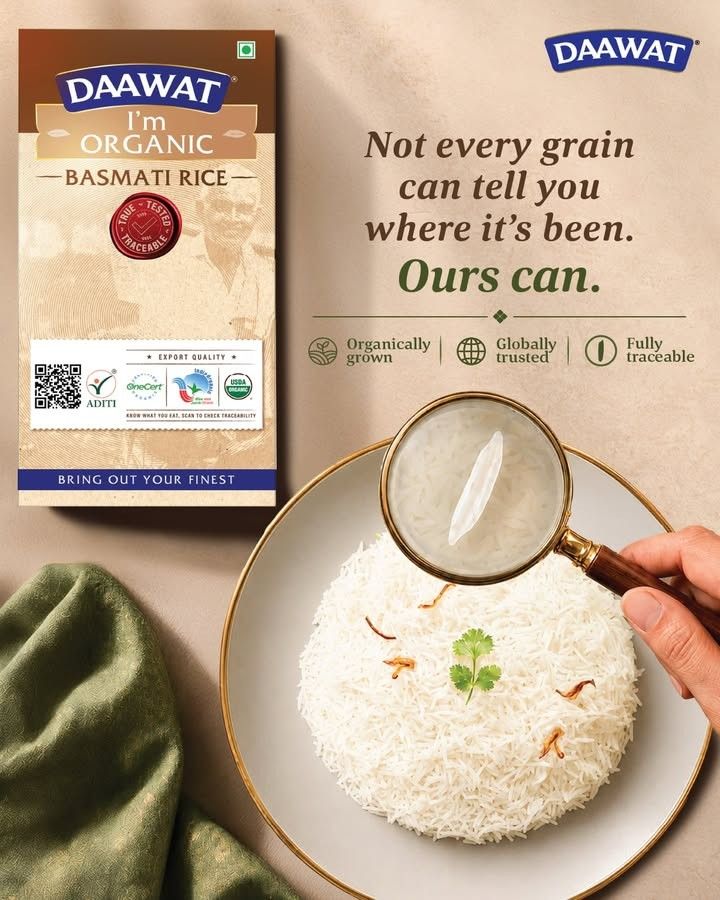
The brand offers a broad portfolio covering premium, everyday and speciality rice categories.
Daawat is particularly popular among consumers who want aromatic rice with good grain elongation and flavour absorption.
Why choose Daawat?
- Multiple options across different price segments
- Premium and everyday Basmati varieties
- Good aroma and grain separation
- Suitable for biryani, pulao and daily meals
- Strong presence in India and international markets
Depending on availability, consumers can find variants intended for biryani, traditional meals and regular household cooking.
Official Website: https://www.daawat.com/
3. Kohinoor Basmati Rice
Best for: Traditional Basmati flavour and aromatic rice dishes
Kohinoor is a long-established name associated with Basmati rice in India. The brand has built recognition among consumers looking for aromatic, long-grain rice for traditional Indian dishes.
Kohinoor Basmati is commonly used for biryani, pulao, jeera rice and other recipes where fragrance and grain texture are important.
Why choose Kohinoor?
- Established Basmati brand
- Aromatic long-grain rice options
- Suitable for traditional Indian rice dishes
- Different variants for different budgets and cooking needs
When choosing between variants, check the packaging for grain type, ageing information and recommended cooking use.
Official Website: https://www.kohinoorfoods.in/
4. Lal Qilla Basmati Rice
Best for: Traditional-style aged Basmati
Lal Qilla is associated with Amar Singh Chawal Wala, a well-established rice business with roots in Punjab.
The brand is known for offering a variety of Basmati rice products, including premium options suitable for biryani and other special dishes.

Consumers who prefer traditional long-grain rice with a pronounced aroma often consider Lal Qilla among their options.
Why choose Lal Qilla?
- Known for traditional Basmati rice
- Long-grain varieties available
- Suitable for biryani and festive meals
- Multiple premium and regular options
- Established presence in domestic and export markets
For the best results, select the specific Lal Qilla variety according to your recipe rather than choosing solely by brand name.
Official Website: https://www.lalqilla.com/
5. Fortune Basmati Rice
Best for: Everyday meals and value-conscious households
Fortune has become a familiar packaged food brand in Indian households and offers Basmati rice across different price and usage segments.
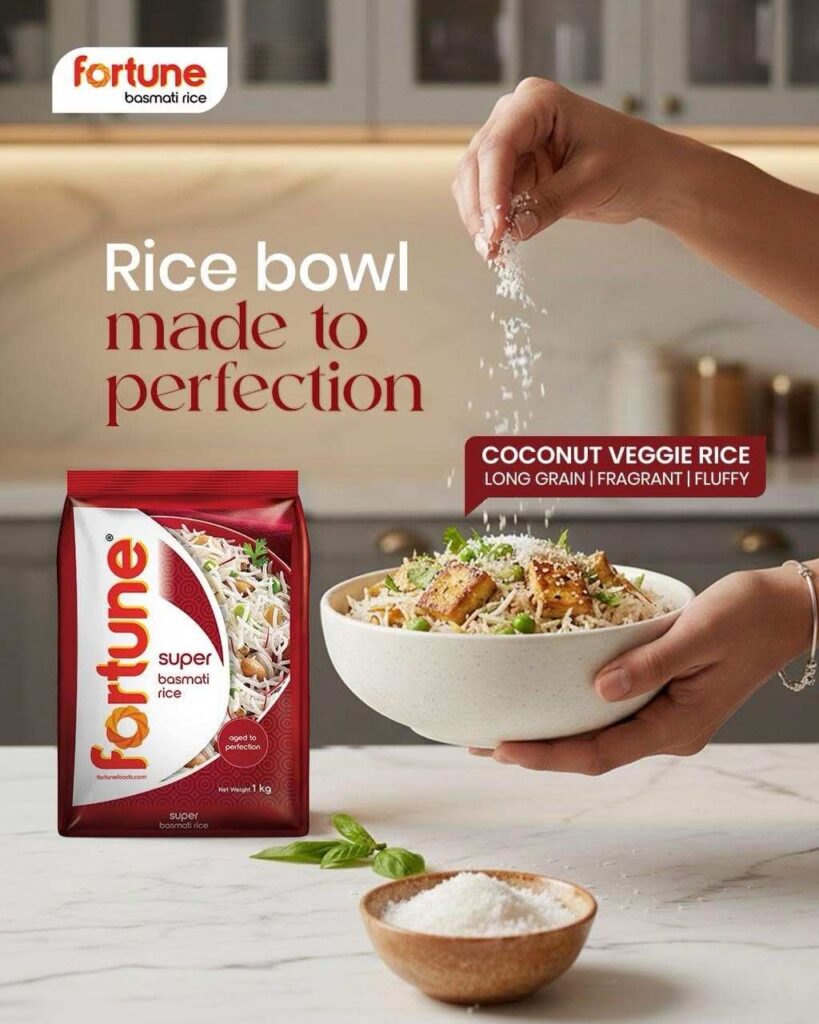
Its Basmati products can be a practical choice for consumers looking for branded rice for regular meals without necessarily moving into the highest-priced premium category.
Why choose Fortune?
- Widely available in India
- Options suitable for everyday cooking
- Convenient packaged formats
- Good choice for pulao, jeera rice and regular meals
- Different price points available
Consumers should compare specific Fortune variants because grain characteristics and cooking performance can differ across product categories.
Official Website: https://www.fortunefoods.com/
6. Tilda Basmati Rice
Best for: Premium and internationally recognised Basmati
Tilda is a globally recognised rice brand with a strong association with premium Basmati.

Its rice products are known for consistency and are popular among consumers who prioritise aroma, grain separation and premium positioning.
Why choose Tilda?
- Strong international brand recognition
- Premium Basmati positioning
- Consistent grain quality
- Suitable for biryani, pulao and international rice recipes
Tilda can be priced higher than some mass-market alternatives, so it may be more suitable for buyers prioritising premium quality over budget.
Official Website: https://www.tilda.com/
7. Tata Sampann Basmati Rice
Best for: Branded packaged rice for everyday households
Tata Sampann has expanded its packaged food portfolio to include rice and other staples. Its Basmati offerings appeal to consumers who prefer established packaged-food brands and convenient availability.
Why choose Tata Sampann?
- Trusted packaged-food presence
- Convenient retail and online availability
- Suitable for regular household cooking
- Packaged options for modern Indian kitchens
Always check the exact product variant because different Basmati products may vary in grain length, ageing and intended use.
Official Website: https://www.tatasampann.com/
8. Shri Lal Mahal Basmati Rice
Best for: Premium long-grain and export-oriented Basmati
Shri Lal Mahal is another established name in the Indian rice industry, with a presence in domestic and international markets.
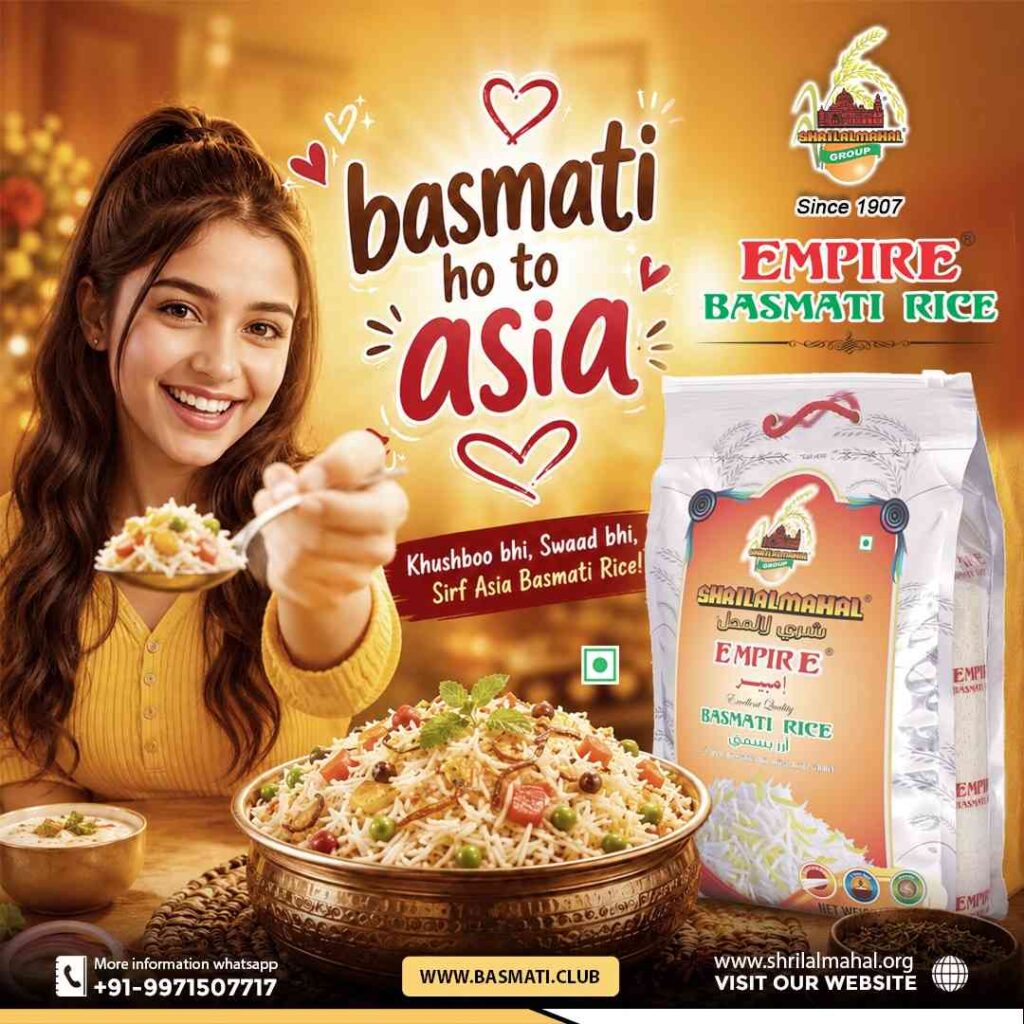
The brand offers Basmati products for consumers seeking long grains, aroma and premium cooking performance.
Why choose Shri Lal Mahal?
- Established rice brand
- Premium Basmati options
- Long-grain varieties
- Domestic and international market presence
- Suitable for biryani and special dishes
However, brand availability, ownership, distribution and product portfolios can change over time. Rather than declaring any brand the “best” without objective comparative testing, consumers should evaluate the specific product based on grain quality, packaging, authenticity, manufacturing information and suitability for their intended dish.
Official Website: https://www.shrilalmahal.org/
9. Aeroplane Basmati Rice
Aeroplane is another established name in India’s Basmati rice industry. The brand is associated with Amir Chand Jagdish Kumar (Exports) Ltd., commonly known as ACI.
Aeroplane offers multiple Basmati and speciality rice varieties for domestic as well as international consumers. Depending on the specific product, its rice can be used for biryani, pulao, steamed rice and other traditional dishes.
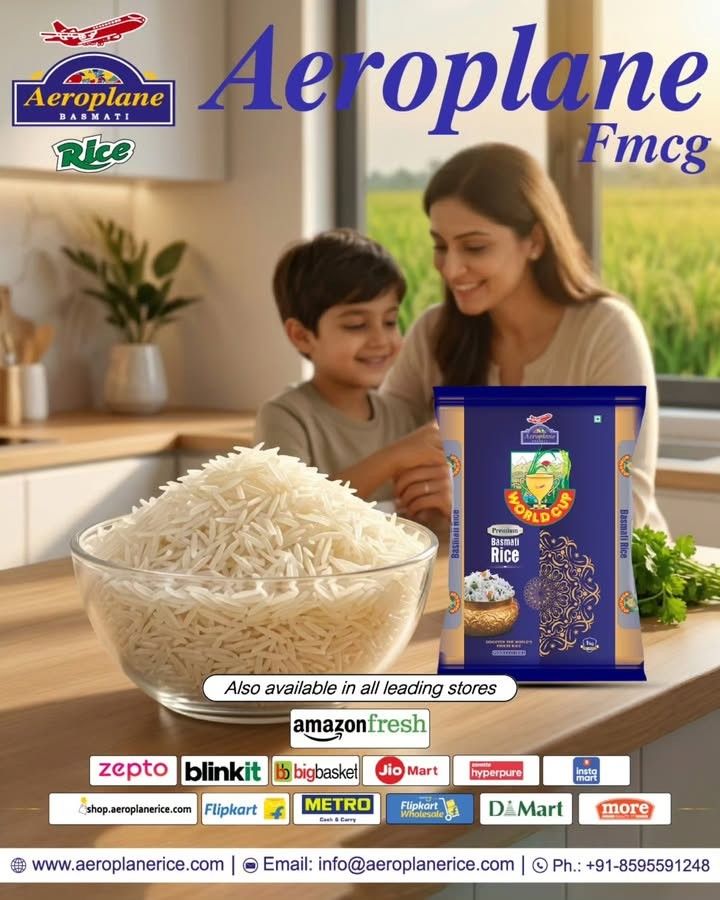
Consumers looking for established alternatives to some of the largest mass-market brands may consider Aeroplane while comparing grain quality, ageing, price and pack size.
Best for: Biryani, traditional dishes and premium long-grain rice
Popular qualities:
- Established Basmati rice brand
- Long-grain rice varieties
- Multiple Basmati options
- Suitable for biryani and pulao
- Presence in domestic and export markets
- Different pack sizes and product categories
Official Website: https://www.aeroplanerice.com/
10. Crown Basmati Rice
Crown is another name consumers may encounter while shopping for Indian Basmati rice. Crown Basmati is associated with DRRK Foods, a rice company engaged in processing and marketing Basmati and other rice varieties.
The brand offers rice products designed for different cooking applications and consumer segments.
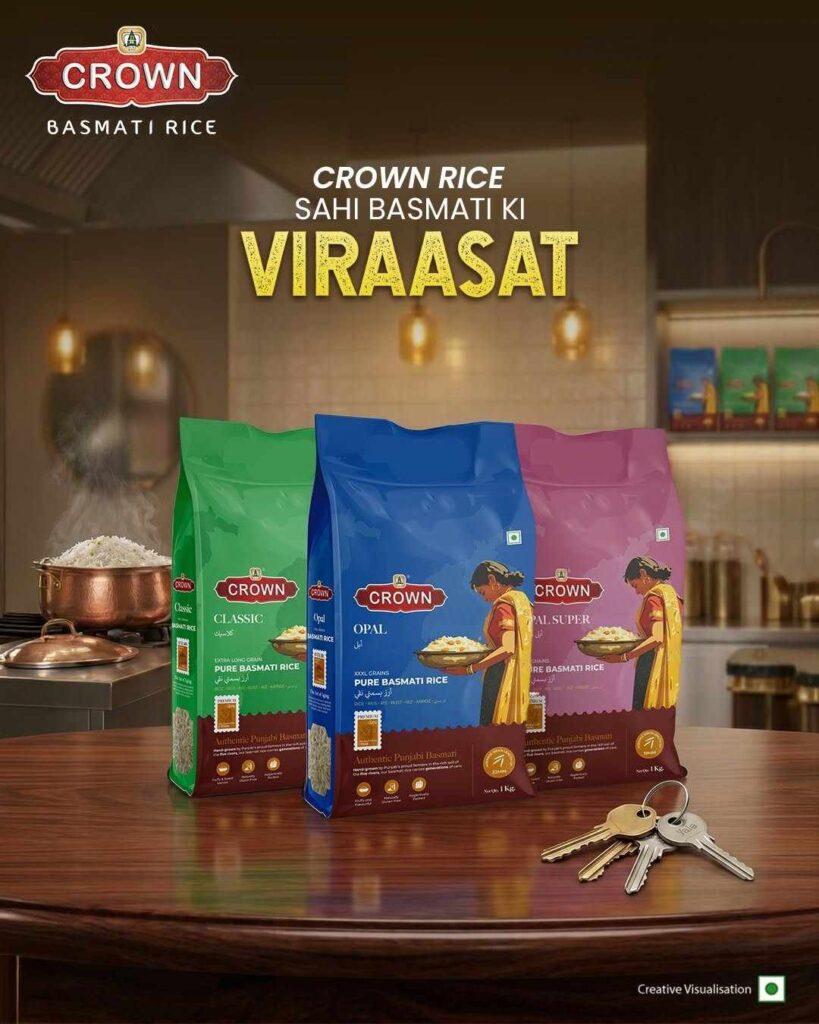
Its Basmati varieties can be considered for biryani, pulao and regular meals, depending on the particular product and grain specification selected.
Best for: Long-grain Basmati, biryani and family meals
Popular qualities:
- Long-grain Basmati varieties
- Options for different cooking needs
- Suitable for Indian rice dishes
- Packaged rice options
- Domestic and international market presence
Official Website: https://www.crownrice.com/
This principle applies to every brand on the list.
Top 10 Basmati Rice Brands in India – Quick Comparison
| Rank* | Basmati Rice Brand | Best For | Official Website |
|---|---|---|---|
| 1 | India Gate | Premium Basmati & biryani | https://www.indiagatefoods.com/ |
| 2 | Daawat | Biryani, pulao & family meals | https://www.daawat.com/ |
| 3 | Kohinoor | Traditional aromatic dishes | https://www.kohinoorfoods.in/ |
| 4 | Lal Qilla | Aged Basmati & festive meals | https://www.lalqilla.com/ |
| 5 | Fortune | Everyday household cooking | https://www.fortunefoods.com/ |
| 6 | Tilda | Premium & international cooking | https://www.tilda.com/ |
| 7 | Tata Sampann | Everyday packaged Basmati | https://www.tatasampann.com/ |
| 8 | Shri Lal Mahal | Premium long-grain Basmati | https://www.shrilalmahal.org/ |
| 9 | Aeroplane | Biryani & traditional dishes | https://www.aeroplanerice.com/ |
| 10 | Crown | Biryani & family meals | https://www.crownrice.com/ |
*The numbering is provided for easy navigation and does not represent an official quality or sales ranking.
How to Choose the Best Basmati Rice
Choosing Basmati rice becomes easier when you know what to look for.
1. Check the Grain Length
Premium Basmati usually has long, slender grains that elongate considerably after cooking.
If presentation is important-especially for biryani-choose a premium extra-long-grain variety.
2. Look for Ageing Information
Ageing can improve cooking characteristics by reducing moisture in the rice. Properly aged Basmati often cooks into more separate and elongated grains.
If a brand makes a specific ageing claim, check the packaging for details.
3. Choose According to the Dish
Not every Basmati variety needs to be expensive.
For biryani: Choose extra-long-grain or premium aged Basmati.
For pulao: Long-grain aromatic Basmati with good separation works well.
For daily meals: A value-oriented Basmati variant may offer a better balance between price and quality.
For brown rice dishes: Choose brown Basmati specifically, as its texture and cooking time differ from white Basmati.
4. Examine the Packaging
Choose sealed packaging from a reliable retailer and check:
- FSSAI details
- Manufacturer or marketer information
- Batch number
- Packing date
- Best-before date
- Net quantity
- Grain or variety information, if provided
Avoid damaged, improperly sealed or suspiciously relabelled packs.
5. Compare Price Per Kilogram
Large packs may offer better value, but only buy in bulk if your household consumes rice regularly and you have proper storage conditions.
Price alone should not determine quality. Premium rice generally costs more because of factors such as variety, ageing, processing, sorting, packaging and brand positioning.
Is Basmati Rice Healthier Than Regular Rice?
It is inaccurate to say that Basmati is automatically the “healthiest of all rice,” as health effects depend on the variety, processing, portion size, preparation method and a person’s overall diet.
White Basmati is still a refined carbohydrate. Brown Basmati retains more of the bran layer and generally provides more fibre than polished white Basmati.
People managing blood glucose or following a medically prescribed diet should consider portion size and the overall composition of the meal rather than relying only on the type or brand of rice.
Pairing rice with vegetables, pulses and protein can help create a more nutritionally balanced meal.
Fresh Update: India’s Basmati Rice Industry in 2025-26
India continues to play a dominant role in the global Basmati rice market.
According to APEDA data for 2025-26, India exported approximately 6.52 million metric tonnes of Basmati rice, valued at around ₹50,138 crore (US$5.67 billion).
Major export destinations included:
- Saudi Arabia
- Iran
- Iraq
- United Arab Emirates
- Yemen
- United States
These figures demonstrate the continuing international demand for Indian Basmati and the importance of the sector to India’s agricultural export economy.
The market is also evolving. Consumers increasingly look for convenient packaging, traceability, quality consistency, speciality varieties, brown Basmati and products suited to specific dishes such as biryani.
Tips for Cooking Perfect Basmati Rice
Even premium rice can turn sticky or mushy if cooked incorrectly.
For better results:
- Rinse the rice gently until excess surface starch is reduced.
- Soak it according to the package instructions or recipe requirements.
- Use the correct rice-to-water ratio for your cooking method.
- Avoid excessive stirring while the rice cooks.
- Allow cooked rice to rest briefly before fluffing.
- Use a fork or flat rice spoon to separate grains gently.
Water quantity and cooking time vary depending on whether you use a pressure cooker, rice cooker, absorption method or open-pot method, so follow the instructions for the specific rice variety whenever possible.
How to Store Basmati Rice Properly
Store uncooked rice in a cool, dry place away from moisture and direct sunlight.
After opening the original pack, transfer the rice to a clean, dry, airtight food-grade container if necessary. Proper storage helps protect it from moisture, insects and external odours.
Cooked rice requires more careful handling. Refrigerate leftovers promptly in a covered container and reheat thoroughly before eating. Avoid leaving cooked rice at room temperature for extended periods.
Which Is the Best Basmati Rice Brand in India?
There is no universal winner because different consumers have different priorities.
India Gate is a strong option for consumers seeking a broad premium Basmati range.
Daawat offers numerous choices for biryani, pulao and everyday cooking.
Kohinoor and Lal Qilla remain notable choices for consumers who enjoy traditional aromatic Basmati.
Fortune can appeal to value-conscious households looking for everyday packaged rice.
Tilda is worth considering for premium and internationally recognised Basmati.
The best approach is to select the specific rice variant according to your recipe, budget and preferred grain characteristics, rather than choosing by brand reputation alone.
Final Thoughts
Choosing the best Basmati rice in India depends on what you plan to cook and how much you want to spend.
For premium biryani and festive meals, focus on aged, extra-long-grain Basmati with good elongation and grain separation. For everyday meals, a reliable mid-range or value variant may provide better value for money.
Brands such as India Gate, Daawat, Kohinoor, Lal Qilla, Fortune, Tilda, Tata Sampann and Shri Lal Mahal offer options across different price points and cooking requirements.
Most importantly, do not rely only on advertising claims such as “No. 1” or “best.” Check the exact variety, ageing information, packaging details, manufacturer credentials and suitability for your recipe before buying.
Basmati Rice Brands FAQs
There is no official government ranking that designates one consumer brand as the No. 1 Basmati rice brand for every criterion. India Gate and Daawat are among the most prominent names in the Indian Basmati market, but the best choice depends on factors such as grain length, aroma, ageing, price and intended dish.
Extra-long-grain, well-aged Basmati is generally preferred for biryani because it can provide better elongation and grain separation. Premium variants from brands such as India Gate, Daawat, Lal Qilla, Kohinoor and Tilda are commonly considered for biryani.
For daily meals, choose a value-oriented Basmati that balances price, aroma and cooking quality. Many major brands offer separate everyday or regular-use variants, which are generally more economical than premium aged Basmati.
Look for long, slender and relatively uniform grains with minimal broken pieces. After cooking, good Basmati should have a characteristic aroma, elongate well and remain reasonably separate and fluffy when prepared correctly.
Ageing can improve certain cooking characteristics, including grain separation and elongation. However, “better” depends on the dish and budget. Premium aged Basmati is particularly desirable for biryani and special meals, while less expensive varieties can be perfectly suitable for everyday cooking.
No single food guarantees weight loss. Basmati rice can be included in a balanced diet, but portion size, total calorie intake, fibre, protein, physical activity and overall eating patterns matter more than the brand of rice.
Brown Basmati retains more of the bran layer and generally contains more fibre than polished white Basmati. However, individual dietary requirements differ, so the best option depends on nutritional needs, digestion, portion size and overall diet.
Basmati is a distinctive aromatic long-grain rice associated with defined geographical regions and characteristic grain elongation, aroma and flavour. Regular rice is a broad category that includes many varieties with different grain sizes, textures, flavours and cooking properties.
Premium Basmati can cost more because of factors such as specific rice varieties, ageing time, storage, processing, sorting, lower broken-grain percentages, quality control, packaging and market demand.
Popular and widely recognised options include India Gate, Daawat, Kohinoor, Lal Qilla, Fortune, Tilda, Tata Sampann and Shri Lal Mahal. Availability and specific product ranges may differ by region and retailer.