Choosing the right kitchen layout isn’t just about aesthetics, it’s one of those decisions that’ll shape how your home functions for years to come. Think about it: the kitchen does so much more than serve as a place to cook. It’s where families gather, where parties naturally gravitate, and where the real magic of home life happens. Professional designers know that getting the layout right means balancing practical workflow with the way people actually live and cook. The best kitchen configurations work with your lifestyle rather than against it, creating spaces that feel natural whether you’re prepping weeknight dinners or hosting holiday gatherings. When you’re renovating or building from scratch, understanding what makes each layout tick gives you the power to create a kitchen that truly works for you.
Understanding the Classic Work Triangle Principle
You’ve probably heard about the kitchen work triangle, it’s been the cornerstone of kitchen design for decades, and there’s good reason why. The concept connects your three busiest zones (sink, fridge, and stove) in a triangular pattern, with each side measuring somewhere between four and nine feet. The goal? Keep everything close enough that you’re not running marathons while cooking, but far enough apart that you’ve got elbow room to work. Now, modern kitchens have gotten more complex, and not everyone follows this rule religiously anymore.
The Galley Kitchen: Maximizing Efficiency in Compact Spaces
Galley kitchens get a bad rap sometimes, but they’re efficiency powerhouses when done right. Picture two parallel countertops facing each other with a walkway down the middle, that’s your classic galley. Everything you need sits within arm’s reach, which is why serious cooks often prefer this setup despite its compact footprint. The key is getting that corridor width right, you’ll want at least four feet between the counters so you can move comfortably and open appliance doors without playing Twister.
L-Shaped Layouts: Versatility Meets Functionality
L-shaped kitchens are the chameleons of kitchen design, they adapt beautifully to almost any space or situation. By using two adjoining walls that meet at a corner, this layout creates a natural cooking zone while leaving plenty of room for other activities. What makes it so versatile? You’re not locked into a specific configuration, and the perpendicular walls naturally create that work triangle we talked about earlier. Designers love how easily L-shaped kitchens accommodate islands or peninsulas, which can transform a purely functional space into a social hub where cooking and conversation flow together naturally.
U-Shaped Kitchens: Creating the Ultimate Culinary Workspace
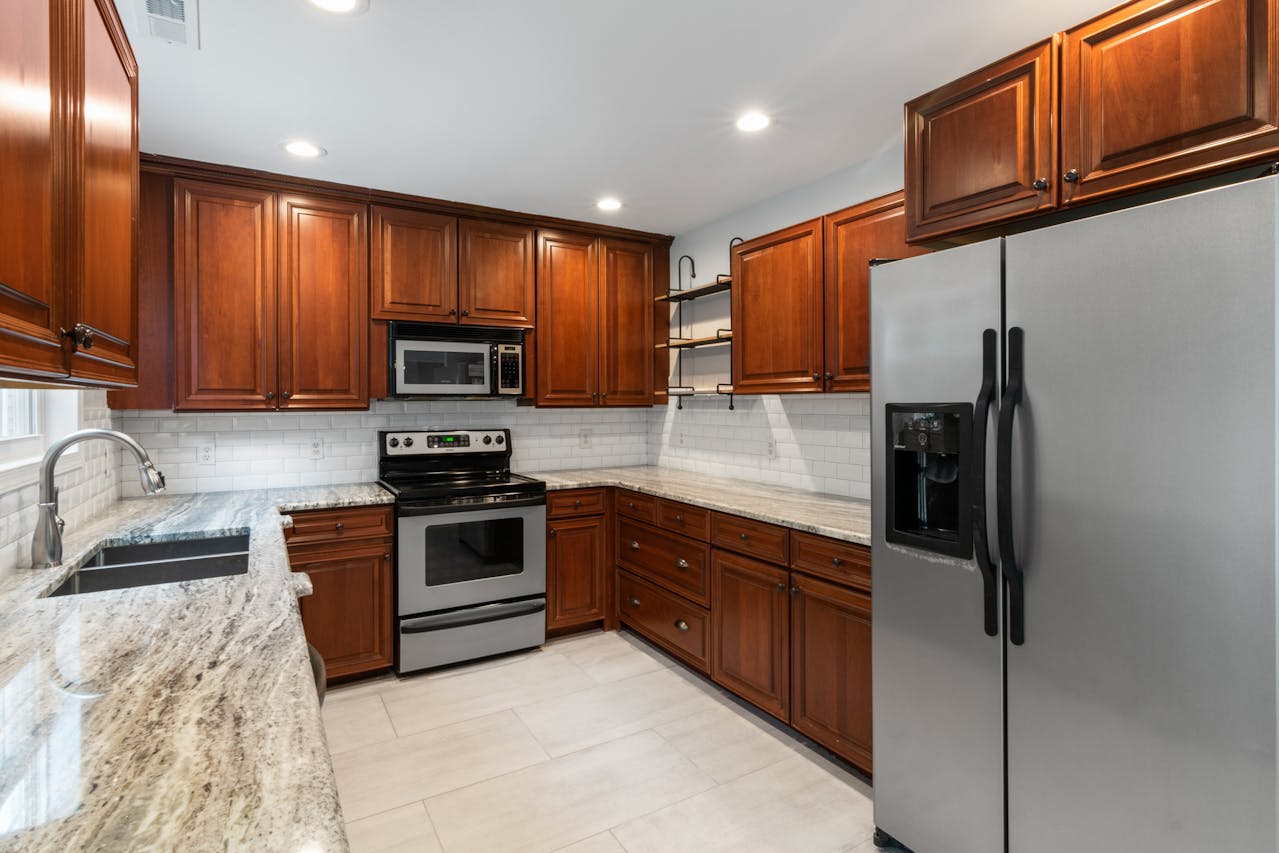
If you’re serious about cooking, and you’ve got the square footage to work with, U-shaped kitchens are hard to beat. Imagine being surrounded on three sides by countertops, storage, and appliances, with everything you need within a few steps. This configuration naturally creates distinct work zones, so multiple cooks can work together without constantly bumping into each other or fighting over counter space. The three-wall setup distributes your work triangle perfectly, giving you generous prep areas between the sink, stove, and fridge. When designing upscale kitchens, professionals who need to integrate luxury appliances into cohesive layouts often favor U-shaped configurations for their ability to accommodate specialized equipment while maintaining ergonomic efficiency. The enclosed design also means you won’t have people cutting through your workspace while you’re wielding sharp knives or carrying hot pans. That said, you’ll need adequate room dimensions. Figure at least eight feet between opposing counters to keep things from feeling cramped. Those corners present the same challenge as L-shaped kitchens, but when you’ve got this much workspace, investing in quality corner solutions pays off big time.
Island and Peninsula Configurations: Adding Multi-Functional Central Features
Kitchen islands have become so popular they’re practically expected in modern homes, and for good reason. These freestanding centerpieces create a natural gathering spot while adding serious functionality through extra prep space, storage, and often seating. Unlike islands, peninsulas connect to your existing cabinets or walls, giving you similar benefits in less space and usually at a lower cost. Either way, you’re creating a multi-purpose hub where meal prep, homework, conversation, and casual dining can all happen simultaneously.
Designing for Your Lifestyle and Future Needs
About choosing a kitchen layout, you can’t just pick what looks good in a magazine. You need to think honestly about how you cook, how your household operates, and how things might change down the road. Young families often prioritize open layouts where parents can keep an eye on kids while prepping dinner. Empty nesters might prefer a more intimate setup designed for two.
Conclusion
Getting your kitchen layout right comes down to balancing space constraints, how you’ll use the kitchen, what you want it to look like, and how you live your life. Each configuration brings something different to the table, galley kitchens excel at compact efficiency, L-shaped designs offer flexibility, U-shaped layouts provide comprehensive workspace, and islands create social focal points that bring people together. Understanding the fundamentals (like that work triangle principle and smart traffic flow) helps you make choices that work in practice, not just on paper. The kitchens that succeed long-term are the ones that genuinely reflect how their owners cook, entertain, and interact with the space, they enhance everyday routines while handling special occasions and adapting as needs change. Take time to evaluate your options, maybe work with a design professional who gets what you’re after, and you’ll create a kitchen that functions beautifully today and keeps working for you tomorrow.