
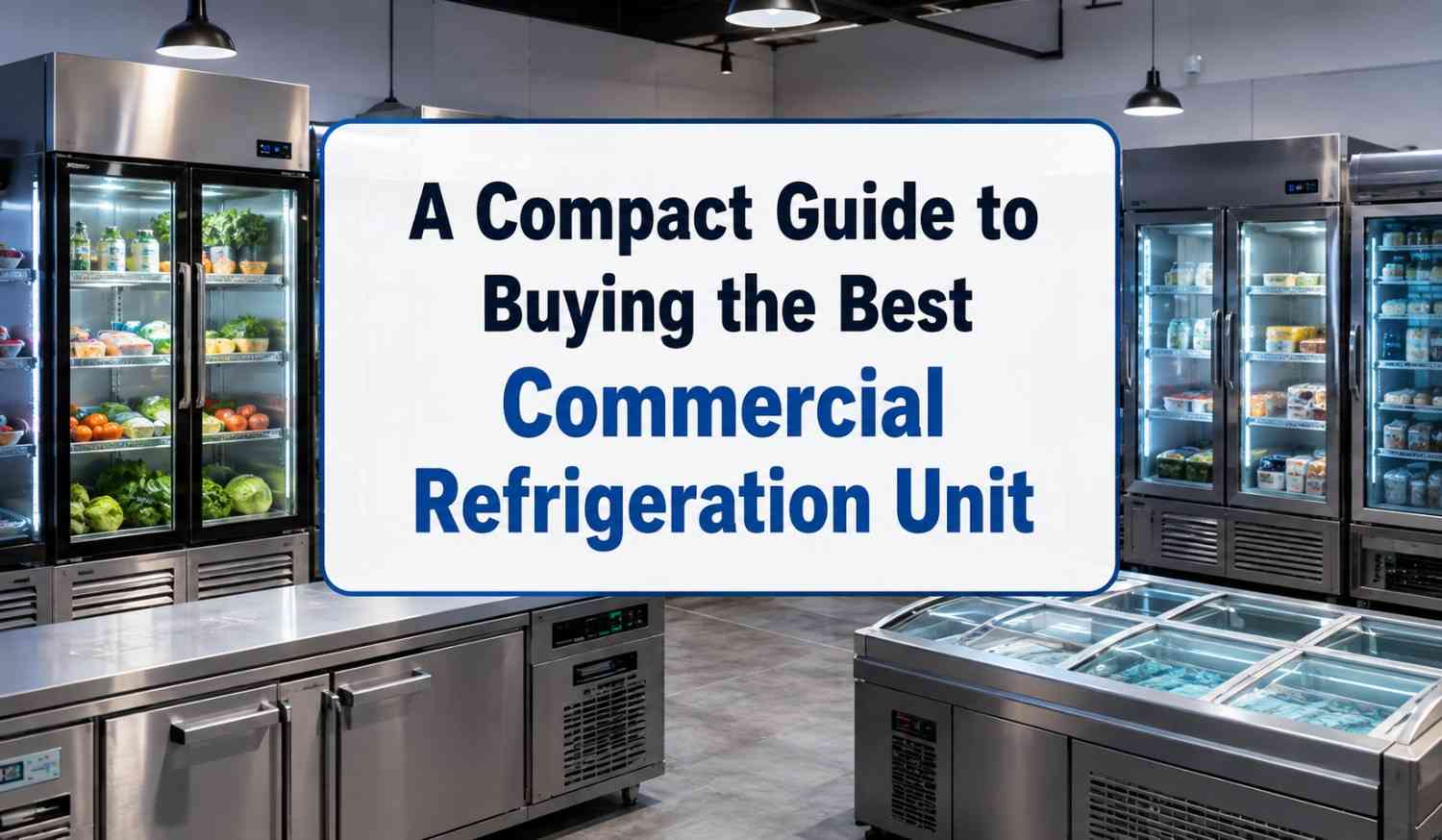
A Compact Guide to Buying the Best Commercial Refrigeration Unit
Running a restaurant, café, bakery, supermarket, cloud kitchen, hotel, or food processing business requires reliable refrigeration. A commercial refrigeration unit is one of the most important investments because it directly impacts food quality, hygiene, operational efficiency, and long-term business profitability.
Unlike domestic refrigerators, commercial refrigeration systems are designed to operate continuously under demanding conditions. They offer higher storage capacity, faster cooling, better temperature control, and durable construction suitable for professional kitchens.
With hundreds of models available in today’s market, choosing the right commercial refrigerator can be overwhelming. This updated 2026 buying guide explains everything you should know before making your purchase.
Why Commercial Refrigeration Matters
A high-quality commercial refrigerator helps businesses:
- Maintain food freshness for longer periods
- Reduce food wastage
- Meet food safety regulations
- Improve kitchen workflow
- Save electricity with energy-efficient technology
- Handle high-volume commercial operations
Investing in the right refrigeration unit today can significantly reduce maintenance costs and improve productivity over the years.
Types of Commercial Refrigeration Units
Different businesses have different storage requirements. Here are the most commonly used commercial refrigeration units.
1. Reach-In Refrigerators
Reach-in refrigerators are among the most popular commercial refrigeration solutions.
These upright refrigerators provide easy access to stored ingredients while occupying minimal floor space. Most modern units include:
- Self-closing doors
- Adjustable shelves
- Digital temperature display
- LED interior lighting
- Automatic defrost technology
- Energy-efficient compressors
They are ideal for restaurants, hotels, bakeries, cafés, and institutional kitchens.
2. Under-Counter Refrigerators
Businesses with limited kitchen space often prefer under-counter refrigeration units.
These compact refrigerators fit neatly beneath workstations while keeping ingredients within easy reach.
Benefits include:
- Space-saving design
- Fast accessibility
- Lower energy consumption
- Ideal for bars, cafés, and small restaurants
3. Saladettes & Prep Counters
Prep counters combine refrigeration with food preparation space.
They are commonly used in:
- Pizza outlets
- Sandwich shops
- Fast-food restaurants
- Salad bars
- Cloud kitchens
Modern prep counters include:
- Stainless steel construction
- Adjustable shelving
- GN pan compatibility
- Easy-clean rounded corners
- Food-safe lids
- Eco-friendly refrigerants
These units improve workflow while maintaining ingredient freshness throughout the day.
4. Blast Freezers
Blast freezers rapidly reduce the temperature of freshly cooked food.
Instead of slowly cooling food—which increases bacterial growth—blast freezers quickly bring temperatures down to safe storage levels.
Advantages include:
- Improved food safety
- Better texture retention
- Longer shelf life
- Reduced food waste
- Compliance with commercial food handling standards
They are widely used in hotels, bakeries, catering businesses, and food production facilities.
Important Factors to Consider Before Buying
Storage Capacity
Choose a refrigerator that suits your current operations while leaving room for future expansion.
Buying an undersized refrigerator often leads to overcrowding and reduced cooling performance.
Energy Efficiency
Electricity is one of the biggest operational expenses for food businesses.
Modern commercial refrigerators use:
- Inverter compressors
- LED lighting
- High-density insulation
- Smart temperature control
- Low-energy cooling systems
Selecting an energy-efficient model can reduce electricity bills significantly over its lifetime.
Build Quality
Look for refrigerators made from high-grade stainless steel.
A durable exterior offers:
- Better corrosion resistance
- Easy maintenance
- Improved hygiene
- Longer lifespan
Commercial kitchens are demanding environments, so durability should always be a priority.
Temperature Control
Accurate temperature control is essential for food safety.
Choose models featuring:
- Digital thermostat
- Temperature alarms
- Automatic defrost
- Uniform air circulation
- Smart cooling sensors
These features help preserve food quality while reducing spoilage.
Noise Level
Restaurants, cafés, and open kitchens benefit from quieter refrigeration systems.
Modern compressors operate more quietly while delivering better cooling performance.
Ease of Cleaning
Food hygiene regulations require regular cleaning.
Choose refrigerators with:
- Removable shelves
- Rounded interior corners
- Anti-bacterial surfaces
- Easy-drain systems
These features simplify routine maintenance.
Warranty and After-Sales Service
Never overlook customer support.
Purchase from suppliers that offer:
- Manufacturer warranty
- Spare parts availability
- Quick service response
- Annual maintenance support
Reliable after-sales service reduces downtime and repair costs.
Latest Commercial Refrigeration Trends in 2026
Commercial refrigeration technology continues to evolve.
Popular innovations include:
- Smart Wi-Fi temperature monitoring
- IoT-enabled diagnostics
- Eco-friendly refrigerants with lower environmental impact
- Inverter compressor technology
- Touchscreen digital controls
- Predictive maintenance alerts
- Better insulation for lower power consumption
Businesses investing in modern refrigeration equipment benefit from improved energy savings and enhanced food safety.
Maintenance Tips
Proper maintenance extends the life of your refrigeration equipment.
Follow these best practices:
- Clean condenser coils regularly.
- Check door gaskets for leaks.
- Avoid overloading shelves.
- Monitor internal temperature daily.
- Defrost when required.
- Schedule preventive servicing.
- Keep ventilation areas unobstructed.
Routine maintenance minimizes unexpected breakdowns and improves cooling efficiency.
Final Thoughts
A commercial refrigeration unit is much more than a storage appliance-it’s an essential investment that supports food quality, customer satisfaction, and business growth.
Before purchasing, evaluate your storage requirements, kitchen space, energy consumption, maintenance needs, and budget. Modern commercial refrigerators offer advanced cooling technology, smart monitoring, and improved energy efficiency that can save money over the long term.
Always choose a trusted commercial refrigeration supplier that provides genuine products, reliable warranty support, and professional after-sales service. A well-chosen refrigerator will serve your business efficiently for many years.
Frequently Asked Questions (FAQs)
Commercial refrigerators are built for continuous operation, larger storage capacity, faster cooling, and heavy-duty commercial use, while domestic refrigerators are designed for household applications.
Reach-in refrigerators are the most popular choice for restaurants because they provide excellent storage capacity, quick accessibility, and efficient cooling.
A quality commercial refrigerator generally lasts between 10 and 15 years with proper maintenance and regular servicing.
Yes. Inverter technology improves cooling efficiency, reduces electricity consumption, operates more quietly, and extends compressor life.
Most experts recommend professional servicing every 6 to 12 months, along with regular cleaning and daily temperature monitoring to ensure optimal performance.