

Know About the Health Benefits of Gelatin Capsules
Gelatin is a protein obtained through the partial hydrolysis of collagen, the connective tissue found in animal skin, bone, and cartilage. It’s colorless, virtually tasteless, and has been used in food and pharmaceutical manufacturing for over a century. Today, gelatin’s most practical form for everyday health is the hard gelatin capsule – the shell used in countless supplements – as well as gelatin taken directly as a standalone protein supplement.
Interest in gelatin has picked up again recently as the broader collagen and gelatin supplement market keeps expanding, driven largely by demand in healthy aging, joint mobility, and skin-health categories. But gelatin isn’t identical to collagen peptides, and understanding the difference matters if you’re deciding what to actually buy.
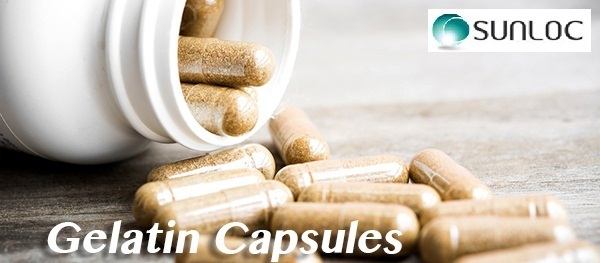
This guide breaks down what gelatin capsules can realistically do for your body, what the current research says, and where the marketing claims outpace the science.
Gelatin vs. Collagen: Know the Difference First
Before looking at benefits, it helps to know that gelatin and hydrolyzed collagen peptides are not interchangeable, even though both come from the same source protein. Collagen peptides are broken down into smaller molecules, which several studies show absorb into the bloodstream faster – often within 30 to 60 minutes – while gelatin’s larger molecules can take two to three hours to be absorbed. This is one reason collagen peptides are often marketed for quick pre-workout or skin-focused use, while gelatin is generally better suited to slower, sustained release – which is part of why it’s traditionally taken with food or in the evening.
Neither form is “better” outright; they simply serve different practical purposes. Gelatin capsules remain a popular, affordable, and shelf-stable way to get a similar amino acid profile.
1. Digestive and Gut Health Support
Gelatin has a long-standing reputation for supporting digestion, and there’s a plausible mechanism behind it. Gelatin contains glycine and proline, amino acids involved in maintaining the integrity of the gut lining, and some research links gelatin intake to reduced intestinal permeability – often referred to as “leaky gut.”
Digestive slowdown is common with age and chronic stress, both of which can reduce stomach acid production and lead to bloating, nutrient malabsorption, and acid reflux. Gelatin’s water-binding property is also commonly cited as a reason it may help ease bloating when taken as directed. That said, gelatin should complement – not replace – medical treatment for diagnosed digestive conditions; anyone with persistent GI symptoms should still see a doctor.
2. Joint and Cartilage Support
Joint pain and osteoarthritis remain among the most common reasons people search for gelatin or collagen supplements, and this is an area where recent research has actually strengthened the case. A 2025 review of clinical and in-vitro studies concluded that hydrolyzed collagen supports cartilage regeneration and helps reduce inflammation, particularly in osteoarthritis. Separately, clinical sources note there’s evidence gelatin may ease joint pain in people with osteoarthritis, though the exact mechanism isn’t a simple case of “gelatin travels to your joints” – the protein is broken down during digestion and used more generally by the body.
In practice, this means gelatin capsules are a reasonable, low-risk addition for joint support, but they work best as part of a broader approach – alongside movement, a doctor-guided pain management plan, and (if needed) more concentrated collagen peptide supplementation, since peptides currently show stronger clinical bioavailability data than gelatin for joint-specific outcomes.
3. Better Sleep and Reduced Stress Response
Sleep disruption is one of the most widely reported health complaints today, and gelatin has a specific, research-supported role here: it’s a source of glycine, an amino acid shown in several sleep studies to help reduce the time it takes to fall asleep and improve subjective sleep quality without acting as a sedative. This lines up with the traditional observation that gelatin doesn’t knock you out immediately – it works gradually, which fits its slower absorption profile.
For people dealing with occasional sleeplessness linked to stress, taking gelatin capsules in the evening, alongside good sleep hygiene, is a low-risk option worth discussing with a healthcare provider – especially if sleep issues are frequent or severe, since those can also signal an underlying condition that needs separate treatment.
4. Skin Elasticity and Overall Wellbeing
Collagen – and by extension gelatin – is a structural building block for skin, and multiple studies now show collagen supplementation can improve skin elasticity, hydration, and smoothness, with visible reduction in fine lines reported in some trials. Natural collagen production also declines by roughly 1% per year after age 25, which is one reason supplementation has become more mainstream as a “healthy aging” category rather than a niche wellness trend.
Beyond skin, there’s a reasonable case that supporting gut and joint health indirectly supports mood and overall quality of life – less physical discomfort and better digestion often correlate with better daily functioning. However, gelatin should not be presented as a treatment for anxiety, depression, or any diagnosed mental health condition; if you’re dealing with persistent low mood or chronic stress, please speak with a qualified professional.
How Much Gelatin Should You Actually Take?
There’s no single official recommended dose, but research syntheses commonly cite ranges around 15–20 grams of gelatin daily to achieve noticeable benefits, compared to roughly 10–15 grams for collagen peptides. Always follow the dosage on your product label or your doctor’s guidance, since concentration varies by manufacturer and capsule size.
What to Look for When Buying Gelatin Capsules
- Source transparency: Bovine, porcine, and marine gelatin all behave slightly differently – check the label if you have dietary or religious restrictions.
- Pharma-grade manufacturing: Reputable manufacturers now emphasize purity controls (including endotoxin limits) and consistent capsule dissolution, which affects how reliably the supplement is absorbed.
- Third-party testing: Look for a Certificate of Analysis or third-party lab verification, especially for supplement brands rather than direct-from-manufacturer bulk gelatin.
- No added sugars: Flavored gelatin snacks or mixes often contain sugar and shouldn’t be equated with pure gelatin capsules.
The Bottom Line
Gelatin capsules aren’t a miracle supplement, but the evidence for gut support, joint comfort, sleep quality, and skin health is genuinely stronger than it was a few years ago, particularly for glycine’s role in sleep and collagen’s role in cartilage and skin. As with any supplement, results vary by individual, dosage, and consistency of use – and gelatin capsules should be viewed as a supportive addition to a healthy diet and lifestyle, not a replacement for medical care.
Frequently Asked Questions
No. Traditional hard gelatin capsules are made from animal collagen (usually bovine or porcine), so they aren’t suitable for vegetarians or vegans. If you need a plant-based alternative, look for capsules labeled HPMC (hydroxypropyl methylcellulose) or pullulan-based, which are increasingly available as vegetarian substitutes.
Most people report gut and digestive improvements within 2–4 weeks of consistent use, while joint and skin benefits typically take 8–12 weeks, since collagen-related tissue remodeling is gradual. Sleep-related effects from glycine may be noticeable sooner, often within days, though this varies by individual.
Gelatin itself has a low risk of drug interactions, but the capsule contents (if combined with other active ingredients) might. If you’re on blood thinners, diabetes medication, or have a bleeding disorder, check with your doctor before starting any collagen or gelatin supplement.
Chemically, yes – it’s the same base protein. However, supplement-grade gelatin capsules are manufactured to pharmaceutical purity standards, unlike food-grade gelatin used in desserts, which often includes added sugar, flavoring, and other non-therapeutic ingredients.
Gelatin is generally well tolerated. Mild side effects can include an unpleasant aftertaste, a feeling of fullness, or, in rare cases, mild digestive upset like bloating if taken in excess. People with a known allergy to beef, pork, or fish (depending on the gelatin source) should check the label carefully or opt for a plant-based capsule alternative.