Different Types of Cushion Covers
The cushion covers provide people with a very innovative option to decorate their couches and home. When it comes to the types and variety of the cushion covers, then sky is the only limit. There are so much of the designs and types that you will never get short of options to decorate your home interior with the most appropriate and desirable type of cushion covers. The different range of designer cushion covers are available in the market, where each of them has their own unique qualities. The following is a list of some of the most common and popular types of cushion covers available in the market:
Bolster
It comes in a cylindrical shape and are used in a variety of different settings at home for interior décor. The sizes can vary enormously in this type and the bolster cushion covers may or may not have flat sides as well. The fabric of this amazing type of scatter cushion is gathered at the side ends and tied with a ribbon. The short size bolster cushions are usually preferred for couches and sofas and are also sometimes referred as the ‘neck rolls’.
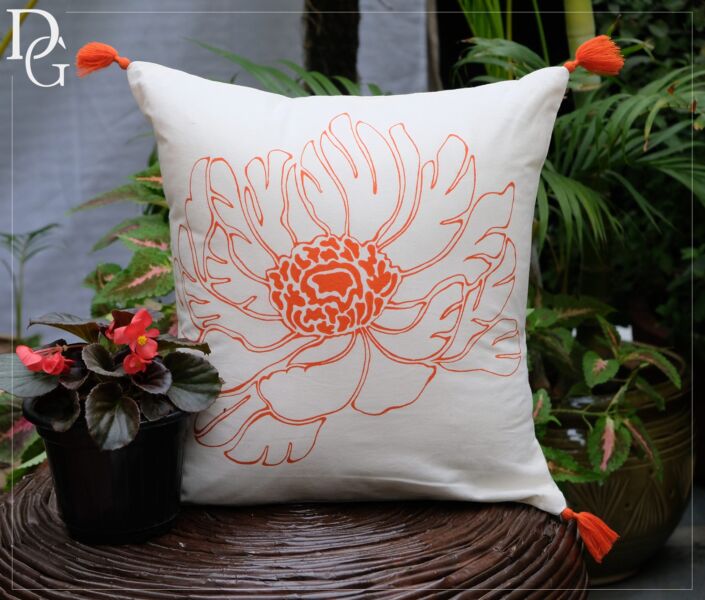
Box
Box cushion just as the name suggests gives the visual looks of a box. It has flat and broader sides that look more like a square shape gift box. They are very commonly used on sofa, couches and recliners as back cushions. The designers have a great flexibility in the variations of all the scatter cushion types discussed above. They can order customized pillows with their own particular specifications.
Piped
The piped scatter cushion gives designers the opportunity to make their cushion covers look more versatile, durable and stylish. The piping can either go with the colour tone of the fabric or it can also be in some contrast. If the piping used is as the same colour and type of the fabric, then that will be known as a ‘self-piped’ scatter cushion. hey would have everything in their control from the selection of fabric to the cushion size and also the type they would want to go for.
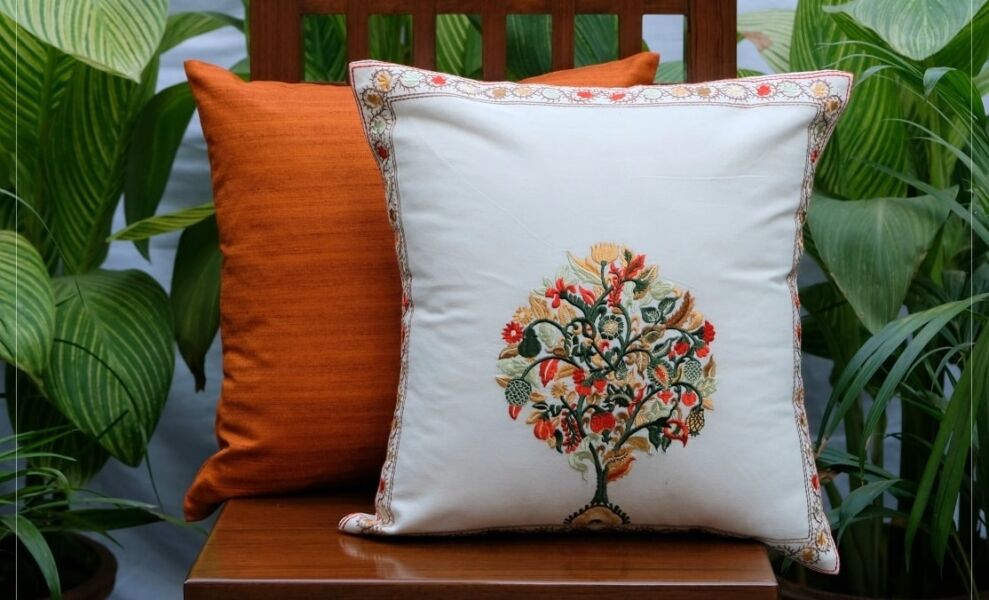
Flange
It is the type of scatter cushion which comes with a flat band of fabric around the edges of the cushion. It gives the flexibility for designers to go for a combination of different fabric or they can also go with one particular type of fabric if they so wish. In fact, you can add curtains also. With Customized curtain brand in Delhi, you can make your own type of curtain.
Knife edge
Knife edge is the most common type of scatter cushion available in the market. The cover of such a cushion is a two piece fabric which is sewn all around the edges. The shapes of such cushions can be square, rectangle, round or they can also be made into a lumbar cushion to give you more variety.
Types of Cushion Covers FAQs
Popular types include knife-edge, piped, flange, box, bolster, envelope, zippered, embroidered, printed, and quilted cushion covers. Each style creates a different visual effect and works with different furniture and décor themes.
For everyday sofas, I generally prefer zippered or envelope-style covers because they are easy to remove and maintain. Piped and knife-edge designs are good choices when you want a cleaner, more structured appearance.
Cotton and linen blends work well for regular use, while velvet, silk, and embroidered fabrics create a more luxurious appearance. In practical use, I recommend choosing fabric based on durability, washability, climate, and how frequently the cushion is used.
Knife-edge covers are made by joining the front and back fabric panels directly at the edges, creating a simple, neat finish. They are among the most versatile styles for sofas, beds, and accent chairs. The existing Excelebiz guide also identifies knife-edge as a common scatter-cushion style.
A piped cushion cover has a corded or fabric-covered border around its edges. From a styling perspective, contrasting piping can define the cushion’s shape, while matching piping provides a more subtle, coordinated finish.
Start with your sofa, curtains, rug, and wall colours. A practical approach is to choose one dominant colour, one complementary shade, and one accent pattern rather than trying to match every cushion exactly.
Yes. Mixing solid colours, prints, textures, and different cushion sizes can create a layered look. I recommend keeping at least one common element—such as a colour family or design theme—to prevent the arrangement from looking random.
Machine-washable cotton, polyester, and durable blended fabrics are generally easier to maintain. For homes with children or pets, removable zippered covers and washable fabrics are usually more practical than delicate decorative materials.
There is no fixed schedule. Wash or change them according to usage, fabric care instructions, dust exposure, stains, and season. Changing colours and textures seasonally is also an inexpensive way to refresh a room without replacing furniture.
Always check the cushion insert size, fabric, closure type, washing instructions, stitching quality, colour fastness, and décor compatibility. One common mistake is buying only by design without confirming the exact dimensions of the cushion insert.