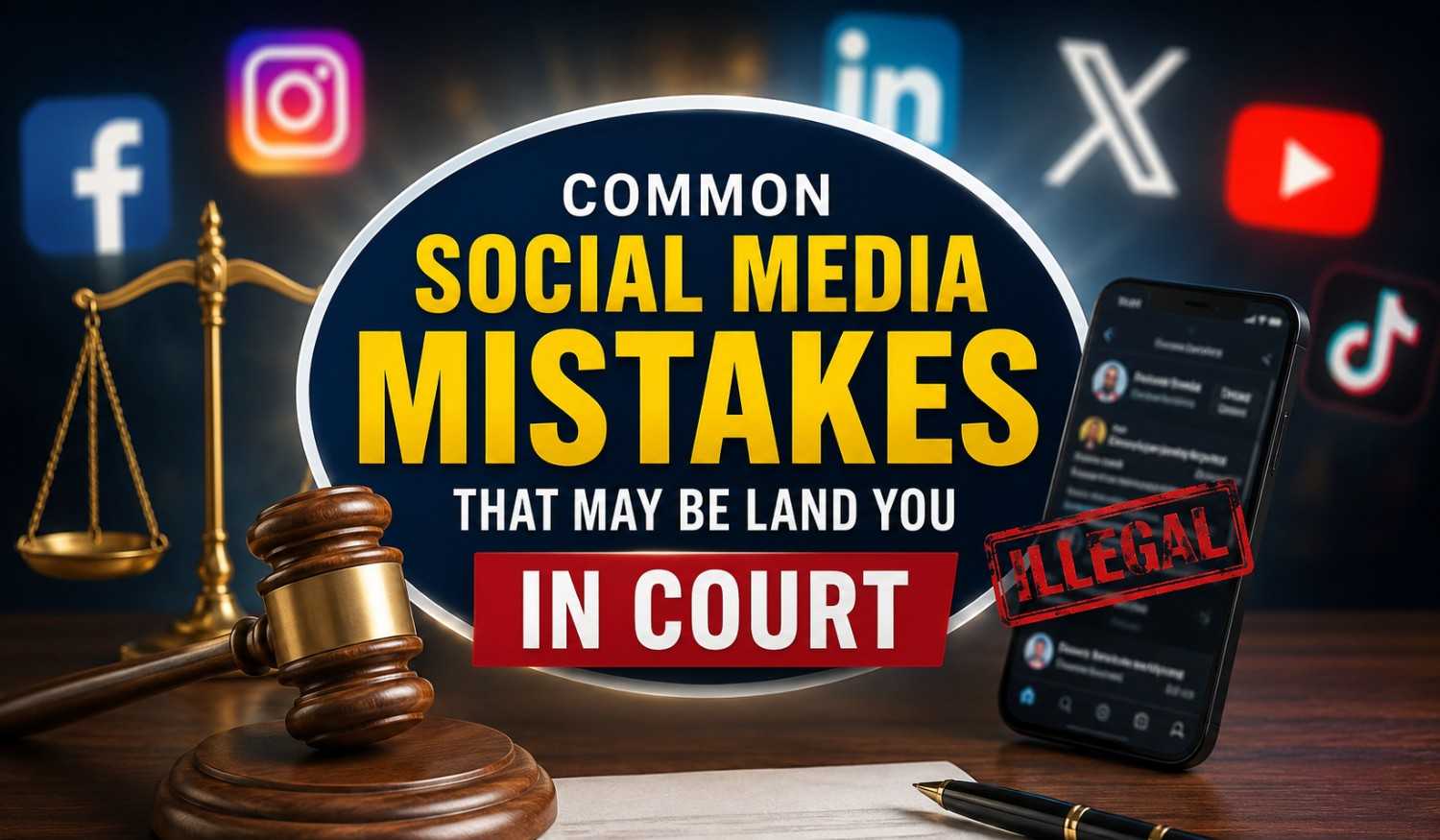
Common Social Media Mistakes That May Be Land You in Court
Social media has become an inseparable part of our personal and professional lives. Platforms like Facebook, Instagram, X (formerly Twitter), LinkedIn, YouTube, Threads, Snapchat, and TikTok (where available) have transformed the way people communicate, promote businesses, and build personal brands.
While social media offers incredible opportunities, it also comes with significant legal responsibilities. A single careless post, misleading advertisement, copyright violation, or privacy breach can damage your reputation and even result in legal action.
In 2026, governments across the world are paying closer attention to online content, misinformation, privacy protection, AI-generated media, and intellectual property rights. Businesses, influencers, marketers, and individuals must understand the legal risks associated with social media.
In this guide, we’ll discuss the most common social media mistakes that may land you in court and how you can avoid them.
Why Legal Awareness on Social Media Matters
Many people assume that social media is an informal platform where they can post anything without consequences. Unfortunately, that’s not true.
Everything posted online leaves a digital footprint. Screenshots, archived pages, and cached content can become evidence in legal disputes even after the original content has been deleted.
Whether you’re a business owner, content creator, freelancer, influencer, or employee, understanding digital laws is essential for protecting yourself and your brand.
1. Copyright Infringement
One of the most common legal mistakes is using copyrighted material without permission.
This includes:
- Images found on Google
- Videos from YouTube
- Music tracks
- Blog articles
- Infographics
- Logos
- Graphics
- AI-generated content that closely resembles copyrighted work
Many people wrongly believe that giving credit automatically allows them to use someone else’s content. In reality, attribution does not replace permission unless the license specifically allows such use.
Businesses often receive copyright notices for:
- Using stock images without a license
- Reposting videos
- Copying blog content
- Using copyrighted music in promotional reels
How to Avoid It
- Use licensed or royalty-free content.
- Create original images and videos.
- Purchase stock media when necessary.
- Read Creative Commons licensing carefully.
- Always obtain written permission before commercial use.
2. Defamation (Libel and Slander)
Posting false statements about an individual or company can result in defamation claims.
Although “slander” generally refers to spoken statements and “libel” refers to written or published content, social media posts usually fall under written publication.
Examples include:
- False accusations
- Fake reviews
- Misleading allegations
- Edited screenshots
- Viral rumours
- Personal attacks presented as facts
Even deleting the post later may not eliminate legal liability if someone has already captured evidence.
Best Practices
- Verify facts before posting.
- Avoid emotional posts during disputes.
- Separate opinions from factual claims.
- Never spread unverified news.
3. Invasion of Privacy
Privacy laws have become much stricter over the last few years.
Publishing someone’s personal information without consent may expose you to legal action.
Examples include:
- Sharing private conversations
- Posting someone’s phone number
- Publishing confidential business documents
- Revealing customer information
- Sharing someone’s medical details
- Uploading private photos without permission
Businesses handling customer information should be especially careful with data protection policies.
Stay Safe By
- Asking for consent before posting personal information.
- Blurring sensitive details in screenshots.
- Protecting customer databases.
- Respecting confidentiality agreements.
4. Using AI-Generated Content Without Verification
Artificial Intelligence has transformed content creation, but it has also introduced new legal risks.
AI-generated:
- Images
- Videos
- Voice cloning
- Articles
- Deepfakes
can unintentionally violate copyrights or spread misinformation.
Businesses should always review AI-generated content before publishing.
Tips
- Fact-check AI-generated content.
- Review ownership rights.
- Avoid creating misleading deepfakes.
- Disclose AI-generated material where appropriate.
5. Posting Misleading Advertisements
Influencers and businesses frequently promote products online.
However, making false claims can violate advertising regulations and consumer protection laws.
Examples include:
- Fake testimonials
- Unrealistic income claims
- Health claims without evidence
- Edited “before and after” images
- Hidden sponsorships
Transparency is increasingly expected by regulators and audiences alike.
Best Practices
- Clearly disclose paid partnerships.
- Avoid exaggerated promises.
- Use genuine customer reviews.
- Keep advertising honest and evidence-based.
6. Sharing Confidential Company Information
Employees sometimes unknowingly leak sensitive company information through social media.
This may include:
- Internal meetings
- Client lists
- Financial reports
- Product launches
- Business strategies
Many organizations include confidentiality clauses in employment contracts, and violating them can lead to disciplinary action or legal disputes.
7. Using Someone’s Image or Brand Without Permission
Using another person’s photograph, logo, trademark, or brand identity for commercial purposes can create legal problems.
Examples include:
- Using celebrity images in advertisements
- Copying competitor branding
- Creating fake endorsements
- Misusing trademarks
Always obtain permission before using someone else’s identity for promotional purposes.
8. Fake Reviews and Manipulated Ratings
Online reviews directly influence purchasing decisions.
Posting fake positive reviews for your business or fake negative reviews about competitors may violate consumer protection rules and platform policies.
Search engines and social media platforms are becoming better at identifying review manipulation.
Stick to genuine customer feedback instead.
9. Cyberbullying and Online Harassment
Repeated abusive comments, threats, hate speech, or targeted harassment can have serious legal consequences depending on local laws.
Businesses should also moderate comments on their pages to reduce harmful interactions.
Respectful communication helps maintain both legal compliance and brand credibility.
10. Running Social Media Contests Improperly
Many businesses organize giveaways without understanding platform rules or local regulations.
Common mistakes include:
- No official terms and conditions
- Hidden eligibility requirements
- Unfair winner selection
- Collecting personal information without consent
Always publish clear contest rules and comply with applicable advertising and privacy requirements.
Tips to Stay Legally Safe on Social Media
Whether you manage a personal profile or a business account, following a few simple practices can significantly reduce legal risks.
- Create original content whenever possible.
- Verify information before publishing.
- Respect copyrights and trademarks.
- Obtain permission before using images or videos.
- Protect customer and employee privacy.
- Clearly disclose sponsored content.
- Review AI-generated content carefully.
- Maintain professional communication online.
- Follow platform policies and applicable laws.
- Keep records of licenses and permissions.
My Experience as an SEO & Digital Marketing Professional
Over the years, I have worked with businesses across different industries and have seen that legal issues on social media often arise from simple mistakes rather than intentional misconduct. Businesses frequently reuse images from search engines, copy competitor content, or publish customer photos without obtaining proper consent.
From an SEO and brand reputation perspective, resolving these issues after receiving a legal notice is far more expensive than following proper practices from the beginning. Creating original content, maintaining transparency, and respecting intellectual property not only reduces legal risks but also builds long-term trust with customers and search engines.
Final Thoughts
Social media is a powerful marketing and communication tool, but it should be used responsibly. Every post, comment, image, video, and advertisement can have legal implications if it violates copyright, privacy, trademark, advertising, or defamation laws.
By understanding these common mistakes and following ethical digital marketing practices, individuals and businesses can protect their reputation, avoid costly legal disputes, and build a trustworthy online presence.
Remember, prevention is always better than defending yourself in court. Before posting anything online, ask yourself one simple question: Do I have the legal right and factual basis to share this content? If the answer is uncertain, it’s worth reviewing before you hit “Publish.”
Frequently Asked Questions (FAQs)
Yes. Most images found through Google Search are protected by copyright. Unless the image is licensed for reuse or you have permission from the owner, using it—especially for commercial purposes—may result in a copyright claim.
Not always. Even if you delete a post, screenshots, cached pages, or archived versions may still exist and could be used as evidence in legal proceedings.
No. AI-generated content should be reviewed carefully. It may unintentionally resemble copyrighted material, contain factual inaccuracies, or violate platform policies if used without proper verification.
It’s best to obtain explicit consent before using customer photos, videos, testimonials, or personal information in marketing campaigns. This helps avoid privacy-related disputes and builds trust.
Create original content, verify facts before posting, respect copyrights and privacy, disclose sponsored content, and follow the terms of service and applicable laws for each platform.